


A Global Hub for Medical Education, Research, and Innovation
In the heart of Tbilisi, where history and modernity blend seamlessly, stands a university that has shaped generations of healthcare professionals. Walking through its halls, you can almost hear the echoes of past students – now accomplished doctors and researchers – who once sat in these very classrooms, dreaming of making a difference in the world.
Tbilisi State Medical University (TSMU) has been a cornerstone of medical education in Georgia for over a century. Its journey began on June 17, 1918, when the Faculty of Medicine was established as part of Tbilisi State University, the first university in the Caucasus region. A little over a decade later, in 1930, the medical faculty branched out to form the Tbilisi State Medical Institute, laying the foundation for what would become one of Georgia’s most prestigious medical institutions.
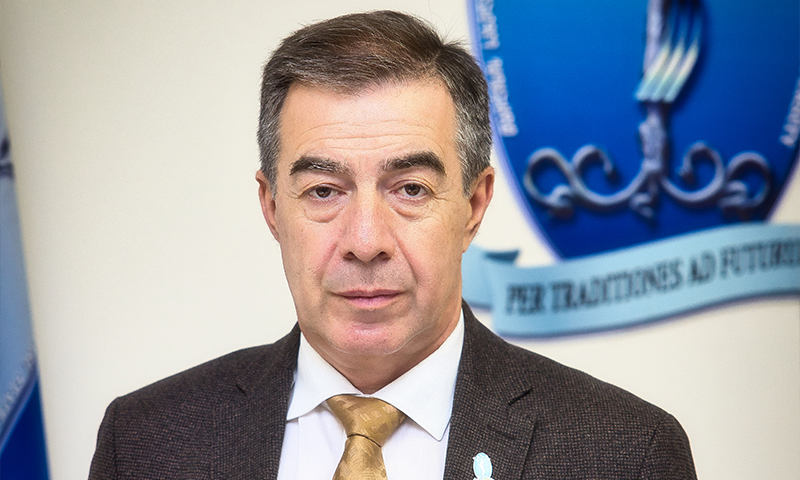
A historic milestone for higher medical education in Georgia occurred on November 24, 1992, when the Tbilisi State Medical Institute was transformed into Tbilisi State Medical University, marking the beginning of a new era. Since then, TSMU has continuously evolved to meet the ever-changing demands of the global healthcare field. “Tbilisi State Medical University is not just an institution. It is a community dedicated to advancing medical knowledge and shaping the future of healthcare,” says Professor Irakli Natroshvili, Rector of TSMU.
The university’s commitment to excellence is reflected in its innovative teaching methods, expanding research programs, and strong international collaborations. More than 120 universities and medical institutions across 40 countries have partnered with TSMU, enabling students and faculty to engage in global academic exchanges. The university actively participates in international research projects such as ERASMUS+ and HORIZON EUROPE, ensuring its graduates are well-prepared for the evolving challenges of modern medicine.
But beyond the numbers and accolades, what truly sets TSMU apart is its dedication to shaping well-rounded medical professionals. With a focus on academic freedom, transparent governance, and cutting-edge medical education, the university provides an environment where both students and faculty can thrive. “We believe in constantly pushing the boundaries of knowledge while upholding the core values of medical ethics and patient care,” Professor Natroshvili adds.
For more than a decade, TSMU has also welcomed leading professors from Europe, the USA, the UK, Israel, and Turkey to conduct lectures, perform surgeries, and mentor students. These collaborations not only enhance the university’s educational standards but also expose students to global medical advancements.
A University with a Mission Beyond Medicine
At Tbilisi State Medical University (TSMU), medicine is more than a profession—it’s a lifelong mission. For nearly a century, TSMU has been dedicated to advancing medical knowledge, improving healthcare, and shaping future doctors who are ready to make a real impact.
TSMU believes that education, research, and medical practice are inseparable. Students don’t just study from textbooks; they engage in hands-on learning, research, and real-world medical challenges. The university’s programs span undergraduate to postgraduate levels, covering everything from fundamental sciences to clinical practice. With students from over 84 countries, TSMU has become a global hub for medical education, ensuring that graduates are well-prepared to meet international standards.
The university fosters an environment where students are not just learners but also contributors. “We encourage critical thinking, problem-solving, and practical skills,” says Professor Natroshvili. “Our goal is to create doctors who can adapt, innovate, and lead in a rapidly evolving medical landscape.”
TSMU’s mission extends beyond its classrooms and laboratories. As an institution, it actively participates in improving healthcare systems, enhancing the quality of life, and ensuring its graduates are equipped to serve both their local communities and the global medical field. Through continuous professional development programs and lifelong learning initiatives, the university ensures that medical professionals remain at the forefront of advancements in healthcare.
The Third Mission: Impacting Society
Modern universities are no longer just centers of learning—they are agents of change. TSMU embraces this role through what is known as the “Third Mission.” This means engaging in activities that contribute to social, economic, and cultural development beyond traditional education and research.
From offering public health lectures to developing policies that improve healthcare accessibility, TSMU takes its responsibility to society seriously. The university collaborates with global health organizations, participates in vaccination drives, and integrates entrepreneurship training into its curriculum. Students and faculty work together on groundbreaking research in biomedicine, artificial intelligence in healthcare, and innovative treatment methods.
“Education alone is not enough,” says Professor Natroshvili. “We must apply our knowledge where it matters most—in hospitals, in communities, and in policymaking.”
At its core, TSMU stands for academic freedom, innovation, and ethical responsibility. It values transparency, democracy, and respect for human rights, ensuring that every student and faculty member understands the importance of integrity in medicine.
The university is not just shaping doctors—it’s shaping leaders, thinkers, and compassionate healers. With its strong foundation and a vision for the future, TSMU continues to be a driving force in medical education, research, and societal impact.
For those who choose to study at TSMU, the journey is more than earning a degree; it’s about becoming a part of something bigger—a mission to heal, serve, and make a difference.
A Global Hub for Medical Excellence
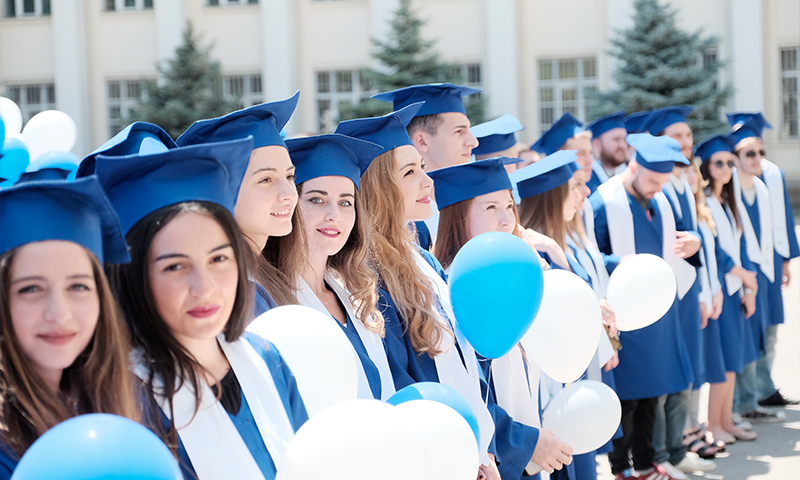
Walking through the TSMU campus, you can hear the hum of multiple languages spoken by students from across the world. With a legacy that stretches over a century, TSMU has firmly established itself as an international powerhouse in medical education. Today, one in every three students at the university is an international student, coming from 84 different countries – a testament to its growing global reputation.
TSMU is listed in the World Directory of Medical Schools and is a full member of several prestigious organizations, including the European University Association (EUA), the International Association of Health Professions Education (AMEE), the Association of Medical Schools in Europe (AMSE), the European Medical Students Association (EMSA), and the Eurasian Silk Road Universities Consortium (ESRUC).
TSMU actively collaborates with renowned organizations such as the World Health Organization (WHO), the World Federation for Medical Education (WFME), the Educational Commission for Foreign Medical Graduates (ECFMG), and the German Academic Exchange Service (DAAD).
But what truly sets TSMU apart is not just its diverse student body, but the groundbreaking research and innovative healthcare initiatives taking place within its walls. From vaccine development to nanotechnology applications in stem cell research, the university is at the forefront of scientific advancements, attracting attention from medical communities worldwide. “TSMU is not just a university; it’s a dynamic ecosystem where education, research, and clinical practice come together to shape the future of medicine,” says Professor Irakli Natroshvili.
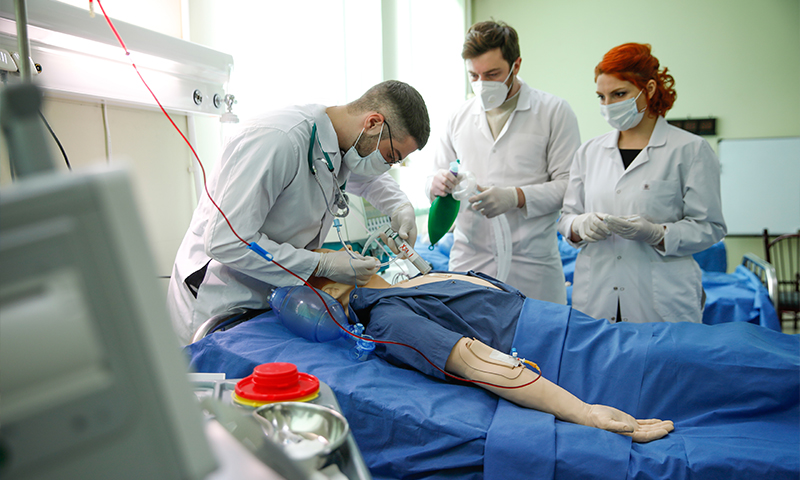
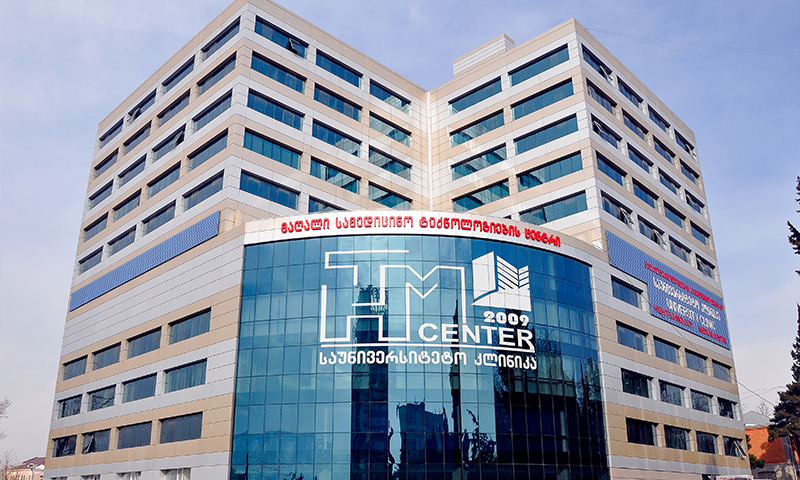
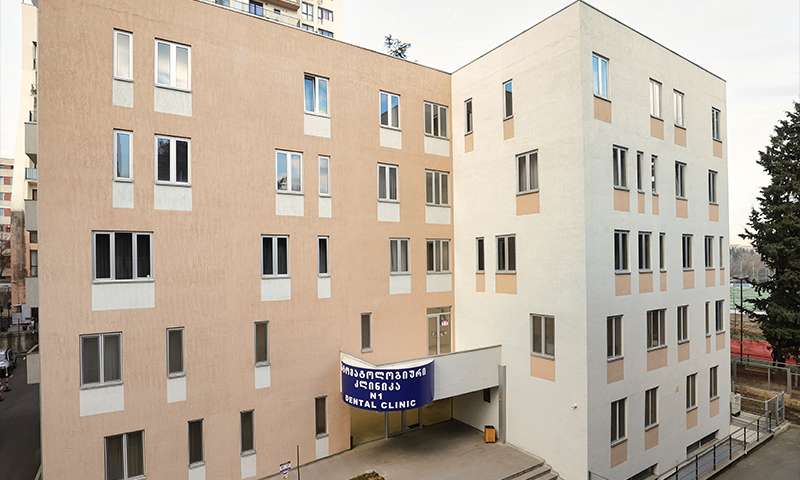
The university’s extensive clinical network ensures that students gain hands-on experience early in their medical journey. Key clinical bases include Tbilisi State Medical University First University Clinic, G. Zhvania Pediatric Academic Clinic, Ingorokva High Medical Technology University Clinic, Apolon Urushadze Dental Clinic, TSMU N1 Dental Clinic and Ken Walker University Clinic for Medical Rehabilitation (which houses the Department of Physical Medicine and Rehabilitation).
Beyond its clinical expertise, the university is home to two renowned research institutes: Iovel Kutateladze Institute of Pharmacochemistry and Vladimer Bakhutashvili Institute of Medical Biotechnology. These institutes contribute to the university’s mission of advancing medical knowledge while providing students with opportunities to engage in high-impact research. Since 2023, the “Museum of Life Sciences” has been operational at TSMU. The university also publishes its own electronic magazine, titled Georgian Biomedical News.
Tbilisi State Medical University has been evaluated by Times Higher Education Impact Rankings based on the United Nations Sustainable Development Goals (SDGs). In the 2024 edition, 2,152 universities from 125 countries participated in the ranking. Tbilisi State Medical University was assessed against four SDGs: SDG 3 – Good Health and Well-being, SDG 4 – Quality Education, SDG 9 – Industry, Innovation and Infrastructure, and SDG 17 – Partnerships for the Goals. The university achieved its best results in SDG 3 – Good Health and Well-being, where it is ranked among the top 401-600 universities. This ranking highlights the university’s active involvement in initiatives related to its third mission activities.
A Legacy of Service and Resilience
TSMU has always been more than just an academic institution – it is deeply embedded in the social fabric of Georgia. This was especially evident during the COVID-19 pandemic, when TSMU doctors, students, faculty, and administrative staff stood at the frontline, bravely facing the global crisis. Their unwavering dedication reinforced the university’s critical role in safeguarding public health.
Looking ahead, TSMU continues to expand its impact. By 2025, the university plans to complete the construction of a new Clinic of Psychiatry and Narcology, as well as a modern student dormitory to accommodate its growing international student base. Also on the bases of G. Zhvania Pediatric Academic Clinic will be established long-term child care service.
One of the university’s most impactful initiatives among many others is the Early Childhood Development Academy, established in collaboration with Emory University. “The academy provides specialized care for children and adolescents with neurological, physical, and developmental disorders, helping them integrate into society,” shares Professor Natroshvili. By incorporating American and European standards, the academy ensures that children receive world-class care in an adaptive and secure environment, while also serving as a hands-on training ground for TSMU students.
World-Class Education for Future Medical Leaders
A medical degree is more than just a qualification – it’s a calling, a lifelong commitment to healing and innovation. At TSMU, students don’t just earn degrees; they become part of a legacy that spans generations. Offering a wide spectrum of undergraduate, graduate, and postgraduate programs, TSMU ensures that every student finds their path in the ever-evolving world of healthcare.
The university provides education in medicine, dentistry, pharmacy, public health, and physical medicine and rehabilitation, with programs tailored to meet international standards. For international students, English-instructed programs make integration seamless. Some of the most sought-after programs include American MD Program (6 years), Educational Program for Medical Doctor (6 years), Educational Program for Dental Medicine (5 years) Bachelor’s Educational Program in Pharmacy (4 years) and Bachelor’s Educational Program in Physical Medicine and Rehabilitation (4 years).
One of the university’s flagship offerings is the American MD Program (USMD), launched in 2013 through a partnership with Emory University School of Medicine. Designed to produce world-class, internationally competitive physicians, the program follows a curriculum closely modeled on that of Emory University, ensuring that students are trained in alignment with global medical education standards. “Our American MD students consistently achieve top scores in the USMLE exams, and to date, 52 graduates – including both Georgian and international students – are matched in U.S. residency programs,” says Professor Natroshvili.
TSMU’s commitment to academic excellence is reflected in its international accreditations. The university is accredited by Georgia’s National Center for Educational Quality Enhancement (NCEQE), which earned recognition from the World Federation for Medical Education (WFME) in 2018. This recognition affirms that TSMU’s academic standards align with WHO and WFME benchmarks, ensuring that its graduates can pursue careers across the globe.
On August 30, 2024, TSMU underwent its latest institutional authorization process, receiving the highest rating for a six-year authorization period. This milestone solidifies its position as a top-tier medical university, committed to evolving with the latest advancements in global healthcare.
A Thriving International Community
Stepping onto TSMU’s campus is like stepping into a global village. With students from 84 countries, the university has created a melting pot of cultures, perspectives, and ideas. 40% of TSMU’s student body is international, with over 3,500 students coming from nations such as India, Sri Lanka, Pakistan, UAE, Egypt, Azerbaijan, the USA, Canada, and the UK.
To ensure seamless integration, TSMU provides English-language medical programs, removing any barriers to high-quality education. For non-native speakers, the university offers comprehensive Georgian language courses, both before and during their studies, to help students feel more at home.
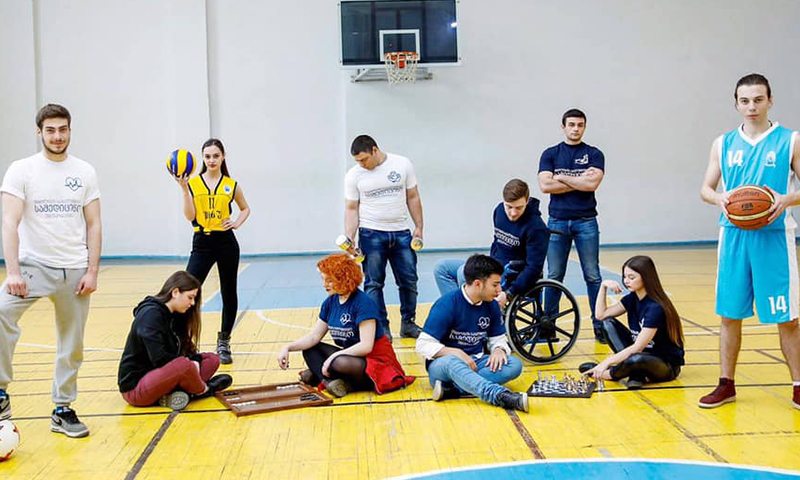
From the moment they arrive, international students are supported every step of the way. “Our Orientation Week is designed to help students transition smoothly into life in Georgia, covering everything from public transport to banking and sim cards,” explains Professor Natroshvili. Throughout the year, students participate in sports, cultural events, and student governance, making lifelong friendships in the process.
Excellence in Medical Education and Research
A university is only as strong as its faculty, and at TSMU, excellence is the standard. The university’s professors and lecturers are not just educators – they are renowned experts, researchers, and practitioners, bringing real-world experience into the classroom.
More than 200 faculty members have completed the AMEE – ESME (Essential Skills in Medical Education) courses, with 50 earning AMEE Medical Education Specialist Certificates. Their expertise extends beyond the classroom, as TSMU faculty are actively engaged in cutting-edge research, particularly in healthcare innovations, clinical trials, public health, and pharmaceutical sciences.
“Our faculty’s involvement in international collaborations ensures that our students are exposed to the latest advancements in global medical science,” says Professor Natroshvili. From groundbreaking research to hands-on clinical training, TSMU continues to uphold its reputation as a leader in medical education, research, and innovation – preparing students to make a lasting impact on the world of healthcare.
A Vibrant Student Community
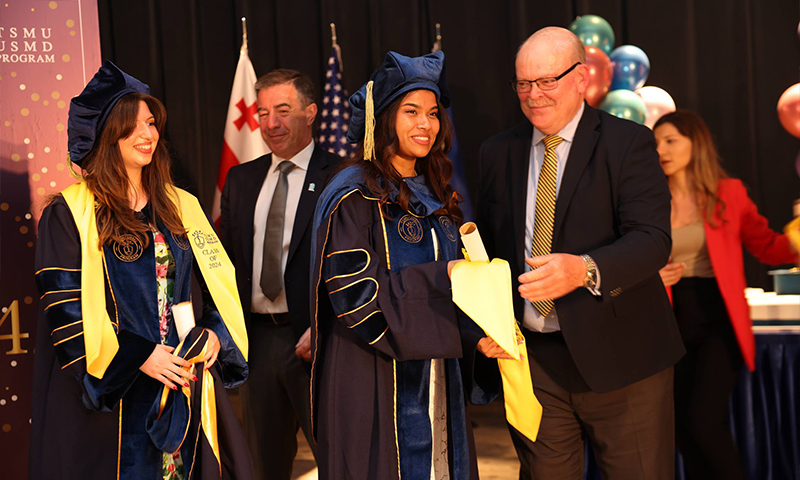
At TSMU, education extends far beyond the lecture halls and laboratories. It thrives in the energy of student organizations – communities that bring together future doctors, researchers, and healthcare advocates to collaborate, innovate, and create meaningful change. These groups serve as a launchpad for personal and professional growth, allowing students to engage in scientific research, policy discussions, cultural exchanges, and advocacy work.
“Student organizations are the heartbeat of our university,” says Professor Irakli Natroshvili. “They provide a space for students to challenge themselves, take initiative, and develop leadership skills that will shape their future careers.”
At the core of student representation is the TSMU Student Self-Government, an elected body that amplifies students’ voices and advocates their needs. From academic reforms to social initiatives, this organization ensures that students play an active role in shaping their educational experience.
For those with a passion for research, the Ivane Tarkhnishvili Students’ Scientific Society and Students’ Scientific-Research Club “Endeavor” offer platforms to explore groundbreaking discoveries. These groups organize symposiums, provide mentorship, and encourage students to present their findings at international conferences. The pursuit of scientific excellence is not just encouraged – it’s ingrained in the university culture.
On the global stage, TSMU students connect with international peers through organizations like the Georgian Medical Students Association (GMSA), the European Association of Medical Students (EMSA), and the European Dental Students’ Association (EDSA). Through these affiliations, students gain access to conferences, exchange programs, and hands-on training workshops, ensuring they are well-versed in global medical trends and practices.
“Through GMSA, our students have the chance to participate in surgical workshops led by some of the best professionals in the country,” says Professor Natroshvili. “These practical experiences are invaluable in their journey to becoming skilled medical professionals.”
Beyond academics, student life at TSMU is enriched by unique organizations like the Intellect-Club, which fosters debate and critical thinking, and MEDICINEMA, a movie club that explores the intersection of medicine and ethics through film screenings and discussions. Meanwhile, the Georgian Association for Equality (GAFE) promotes diversity and inclusion, ensuring that every student feels supported and empowered.
For pharmacy students, the Georgian Pharmaceutical Students’ Association (GPSA) provides a network for academic and professional growth, while the Public Health Students’ Organization of Georgia encourages students to engage in discussions about pressing health challenges. The Georgian Youth Health Association takes this a step further, bridging the gap between medical students and international health initiatives, preparing them for leadership roles in global healthcare.
Each of these organizations contributes to a vibrant, dynamic student experience at TSMU. They are more than just extracurricular activities; they are incubators of leadership, innovation, and lifelong connections. Whether through research, advocacy, or creative expression, TSMU students are shaping their futures – and, in many ways, the future of medicine itself.
Building a Future-Ready Learning Environment
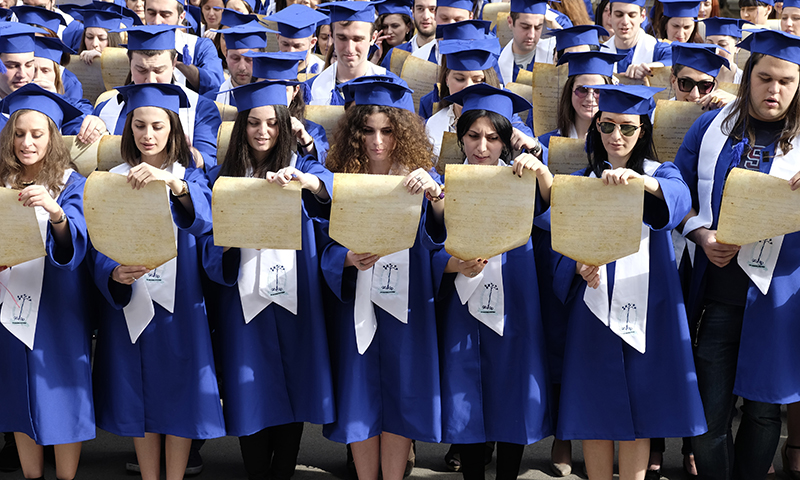
Stepping into TSMU is like entering a space where tradition meets innovation. Every corner of the campus is designed to shape future medical professionals, equipping them with the tools they need to thrive in an ever-evolving healthcare landscape.
The university’s state-of-the-art facilities serve as the backbone of its academic excellence. Modern lecture halls buzz with interactive discussions, while specialized medical training centers and simulation labs provide students with hands-on experience in real-world scenarios. The research laboratories, equipped with cutting-edge technology, allow young medical minds to push the boundaries of scientific discovery.
One of TSMU’s most prized assets is its library, a haven for knowledge seekers. Stocked with an extensive collection of medical textbooks, journals, and digital resources, it serves as a vital hub for students and faculty. Whether it’s poring over the latest research or preparing for a crucial exam, the library is where intellectual curiosity meets academic rigor.
Practical training is at the heart of medical education, and TSMU ensures that its students receive world-class exposure. The Center of Clinical Skills and Multidisciplinary Simulation stands as a testament to this commitment. “Equipped with cutting-edge computer technology, high-tech educational tools, medical simulators, and mannequins, this center provides an immersive learning experience for future doctors,” shares Professor Irakli Natroshvili. Collaborating with organizations like Qpercom, ExamSoft-Turnitin, and Cameron Communications, TSMU has seamlessly integrated advanced technology into its OSCE exam software, ensuring students are assessed with the highest standards.
Beyond academics, TSMU embraces the holistic development of its students. The Cultural and Sports Center is more than just an extracurricular facility – it’s a space where students unwind, express themselves, and find a sense of community. With a focus on balancing rigorous medical training with cultural and athletic engagement, the university nurtures well-rounded individuals ready to take on the world.
In 2024, TSMU took its commitment to sports to a new level by becoming a member of the European Student Sports Association (ESSA). This milestone allows students to participate in international sports competitions, further enhancing the university’s reputation and promoting a healthy, active lifestyle among its community.
Creating an inclusive and welcoming environment for both local and international students is a priority for TSMU. “We continuously upgrade our infrastructure to accommodate our diverse student body, ensuring equal access to all resources,” notes Professor Natroshvili. Adhering to the World Federation for Medical Education (WFME) standards, TSMU’s infrastructure aligns with global requirements, reinforcing its position as a premier medical institution.
Postgraduate education and continuous professional development are essential for lifelong learning. TSMU provides a variety of programs, including 75 for doctors, 2 for nurses, 4 for academic staff, and 4 for individuals with non-medical backgrounds. These programs are offered through the Institute of Postgraduate Education and Continuous Professional Development at TSMU. Additionally, the residency service coordinates 59 postgraduate education (residency) programs.
A Global Hub for Medical Education Excellence
One of TSMU’s most significant milestones is its recognition by the International Association for Health Professions Education (AMEE). In May 2019, the AMEE International Networking Centre was officially established in Georgia, with TSMU serving as its host. This was no small feat – only three such centers exist worldwide, and TSMU was chosen for its unwavering commitment to modernizing medical education, integrating innovative teaching methodologies, and actively participating in international projects.
“Our collaboration with AMEE started in 2010,” explains Professor Natroshvili. “Over the years, we have worked diligently to introduce cutting-edge learning and assessment techniques, ensuring our students receive education that meets global standards.”
Since its inception, the AMEE Center in Georgia has been a beacon of knowledge for medical educators. Over 20 face-to-face and online training courses have been conducted, led by renowned international medical education experts. These interactive courses have not only strengthened the quality of health education in Georgia but have also inspired faculty members to explore best practices, share insights, and actively participate in AMEE conferences.
Research has flourished under the AMEE initiative, with more than 20 projects developed through the center’s programs. These findings have been presented at AMEE conferences and published in respected medical journals, further cementing TSMU’s status as a research-driven institution. In 2023, TSMU celebrated another major win with the GIOSTE project (Introduction of OSTE-stations in Georgian HEIs), which secured funding through the World Bank’s Competitive Innovative Fund (CIF). This project is set to play a transformative role in faculty development across Georgian medical schools.
What sets the AMEE Center apart is its regional impact. Educators from across the South Caucasus – Georgia, Azerbaijan, and Armenia – have benefited from specialized training programs, gaining essential and advanced skills in medical education. “The number of participants from neighboring countries continues to grow,” notes Professor Natroshvili with pride. “So far, 75 candidates have successfully obtained AMEE’s medical education specialist certification, and 15 have earned the esteemed title of Associate Fellows of AMEE. This is an extraordinary achievement for Georgia.”
Through dedication and perseverance, the AMEE Center in Georgia has evolved into a leading faculty development hub, empowering health professionals across the region. TSMU’s role in this initiative underscores its broader mission – to not only educate future doctors but to shape the very framework of medical education in the South Caucasus and beyond.

A Launchpad for Future Medical Leaders
For students at TSMU, education is just the beginning of their journey. The university understands that a medical degree alone isn’t enough – it’s about preparing graduates for meaningful careers. That’s why TSMU has developed a comprehensive support system to help students transition from academic life to professional success.
“Our employment forums have been game-changers for students,” says Professor Irakli Natroshvili. These events bring together top clinics, pharmaceutical companies, and insurance providers, offering students the chance to secure jobs on the spot. The university also gathers feedback from employers to refine its programs and ensure graduates are meeting industry needs.
Internships play a crucial role in bridging the gap between theory and practice. Through structured winter and summer internship programs, students are placed in clinics aligned with their career interests. These experiences not only enhance their skills but also provide them with certifications that strengthen their professional portfolios.
Career guidance at TSMU extends beyond job placements. The university offers professional orientation courses, both online and offline, helping students explore career paths and make informed decisions. Paid internship opportunities in the public and private sectors give students real-world exposure while easing their transition into the workforce.
Perhaps one of the most inspiring aspects of TSMU’s career support initiatives is the engagement of successful alumni. Graduates return to share their journeys, offering mentorship and practical advice to current students. The university takes pride in the fact that many of its alumni now hold prestigious positions in hospitals, research institutions, and global health organizations, making significant contributions in fields ranging from surgery to infectious disease control.
Innovating for the Future
Staying ahead in medical education requires constant evolution, and TSMU is fully aware of the challenges that come with it. The rapid advancement of technology, shifting healthcare demands, and the growing need for interdisciplinary collaboration mean that the university must continuously update its curriculum and teaching methodologies.
“Medical education is changing faster than ever, and our goal is to ensure that our students receive the most up-to-date knowledge and skills,” says Professor Irakli Natroshvili. This commitment to innovation is at the core of TSMU’s mission.
A key focus for the university is expanding its global partnerships with leading medical institutions. Strengthening these ties will not only enhance student and faculty exchange programs but also open doors for groundbreaking research collaborations. Increasing research capabilities remains a top priority, as TSMU seeks to contribute to meaningful advancements in global healthcare.
Internationalization is another pillar of the university’s growth strategy. By attracting more students from diverse backgrounds, TSMU aims to foster a truly global learning environment. Infrastructure improvements, the introduction of new academic programs, and continued emphasis on faculty development all align with this vision.
The road ahead is filled with possibilities, and TSMU is embracing the future with determination. As the university continues to shape the next generation of medical professionals, its impact will be felt far beyond Georgia’s borders, solidifying its place as a leader in global medical education.
For More Info: https://tsmu.edu/ts/home