



Rooted in Faith, Ready for the World
It all began with a glass Kerr jar. In the early 1900s, a determined and forward-thinking businesswoman, Ruth Kerr, stepped into leadership after the untimely passing of her husband, Alexander Kerr, founder of the Kerr mason jar company. In a time when women rarely held seats in boardrooms, she stood as the only female voice among a group of male executives. Fueled by courage, conviction, and an unshakable faith, Ruth Kerr envisioned something extraordinary: a Christian college on the West Coast that would nurture both intellect and spirit.
In 1937, that vision took shape with the founding of Westmont College. To help realize her dream, Ruth Kerr invited Dr. Wallace Emerson, a respected intellectual from the East Coast, to serve as the college’s first president. Together, they laid the foundation for an institution that would hold its students to the highest academic standards while cultivating a deep love for God. What began as a bold dream has grown into a nationally recognized Christian liberal arts college known for its academic rigor, moral grounding, and commitment to shaping thoughtful, compassionate leaders.
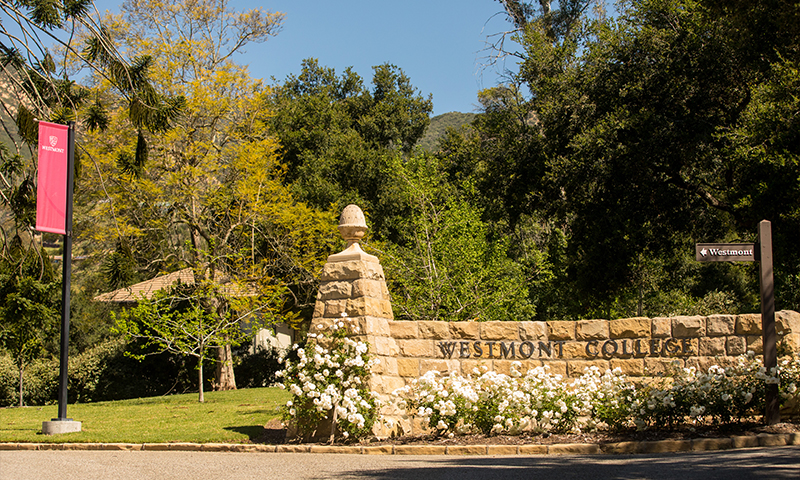
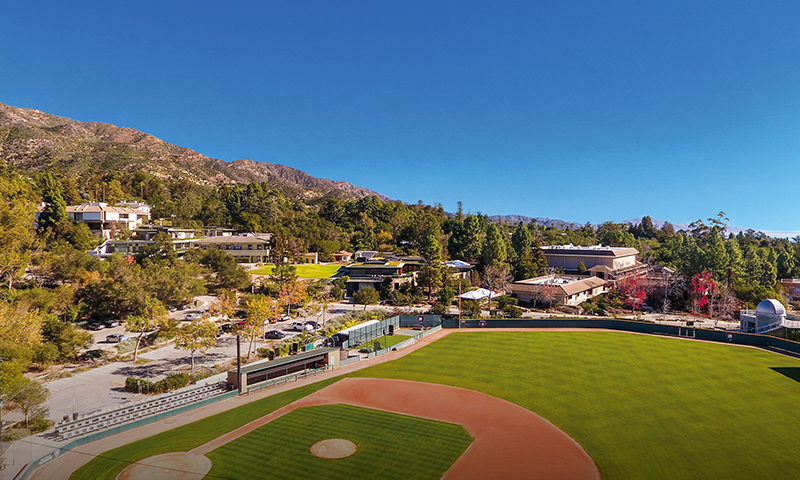
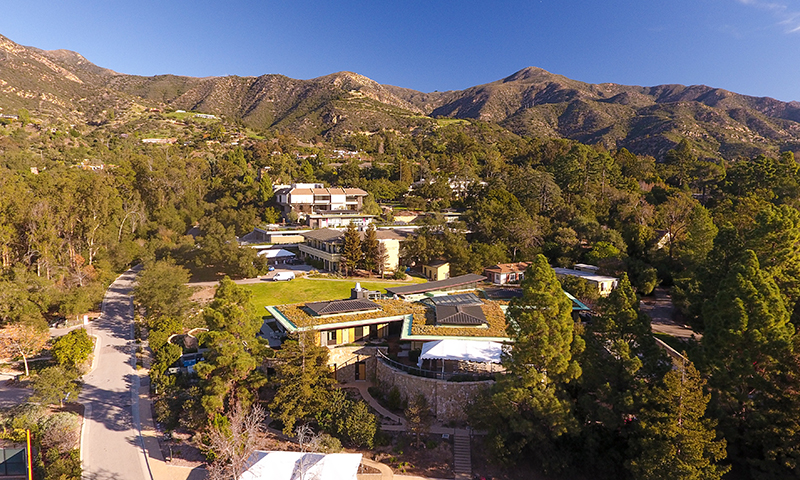
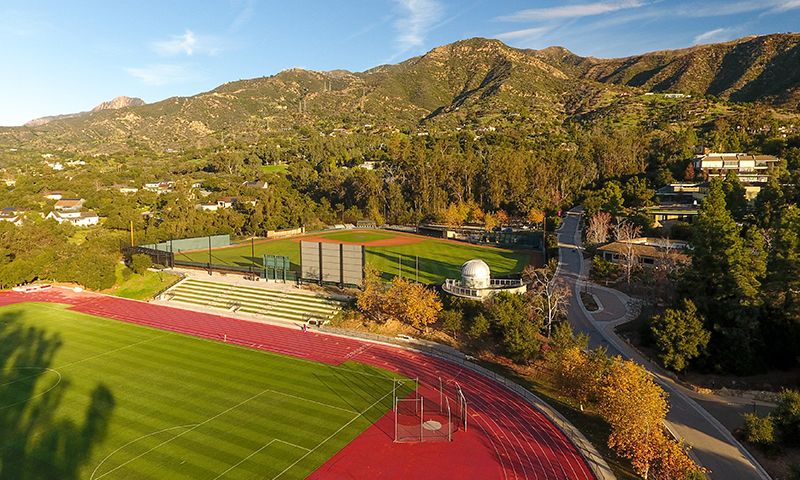
By 1945, the young college had outgrown its Los Angeles facilities and relocated to the scenic Dwight Murphy estate in Santa Barbara. Set on 113 acres of Mediterranean-style grounds, Westmont’s campus has often been described as one of the most beautiful in the country. It is a place where learning feels both elevated and deeply rooted in nature.
Today, Westmont continually ranks as the top Christian liberal arts college in California and the Western U.S., among all Christian colleges listed in the Council for Christian Colleges and Universities in the country. For more than eight decades, the college has upheld its mission to deliver a transformative education that challenges the mind, strengthens character, and nourishes the soul.
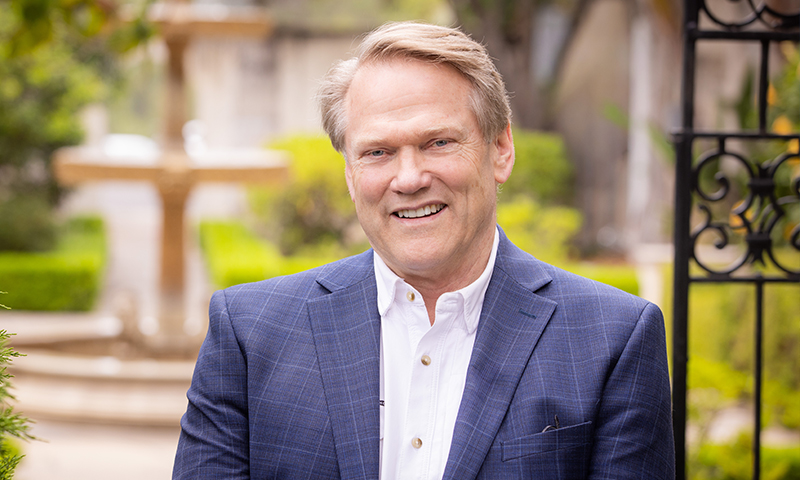
“We embrace the liberal arts tradition as a cornerstone for learning, equipping students with the critical thinking skills that prepare them for success in life and in their careers. Our commitment to teaching students how to think, rather than what to think, fosters intellectual freedom and creates a safe environment for exploration and growth,” says Dr. Gayle D. Beebe, President of Westmont College.
This philosophy sits at the heart of Westmont’s identity, as a rigorous academic environment intertwined with personal and spiritual formation. Students are encouraged not just to achieve, but to flourish, developing habits of curiosity, reflection, and purpose that guide them long after graduation.
Research, too, is a vital part of the Westmont experience. Twice a year, the college celebrates Student Research Symposia, where more than twenty-five projects are presented to the community. These events reflect a culture where inquiry and innovation thrive, and where undergraduate students have the unique opportunity to co-author studies with faculty, an opportunity more common in graduate programs.
One such project explores dwarfism and gigantism in reptiles, a fascinating study led by Professor Amanda Sparkman and her colleagues in environmental studies. Their research compares island species from Santa Cruz Island to their mainland counterparts in San Mateo County, contributing to a global conversation about evolutionary adaptation. “Our priority is to celebrate and publicize research that is making a difference around the world,” Dr. Beebe says.
Anchored in Purpose
Westmont College’s mission is built on five guiding principles: liberal arts, Christian, residential, undergraduate, and global. Together, these pillars shape an educational experience that cultivates sharp intellects, compassionate hearts, and globally minded leaders.
Across generations, liberal arts education has proven to be a powerful force in shaping the world’s most influential thinkers and innovators. A national study of Fortune 500 CEOs revealed that nearly half attended small liberal arts colleges. The finding affirms the enduring value of close-knit learning communities. In these environments, students don’t simply absorb information; they wrestle with big ideas, test possibilities, and learn to see connections between disciplines. “There really is no other educational experience like it. This approach to learning has been and will continue to be the core focus of the education we provide,” says Dr. Beebe.
Westmont’s dedication to this tradition is evident not only in the classroom but also in the conversations it hosts. Each year, the college welcomes leading thinkers for its ‘Lead Where You Stand Conference,’ a gathering that explores the intersection of leadership, values, and public life. At the most recent conference, The New York Times columnist David Brooks, a resident scholar at Westmont, spoke passionately about the moral challenges facing modern America. In his keynote, How Christian Colleges Can Fix What Ails America, Brooks called for a renewed moral vision, noting that institutions like Westmont are uniquely positioned to help restore it.
“What Christian colleges can do is orient you around the heart,” Brooks told the audience. “They introduce us to qualities of intensity, of depth of emotion, of the longing of the heart and soul.” His message resonated deeply with Westmont’s mission, a reminder that education, at its best, forms both mind and character.
For Westmont, equipping great minds is only part of the story. “We deeply acknowledge that equipping great minds is not enough; we must also cultivate character, which is necessary in today’s society. What our world needs is not a shrill recitation of narrow ideas, but a robust expression of our deepest convictions engaged in the sort of conversations that really matter,” notes Dr. Beebe.
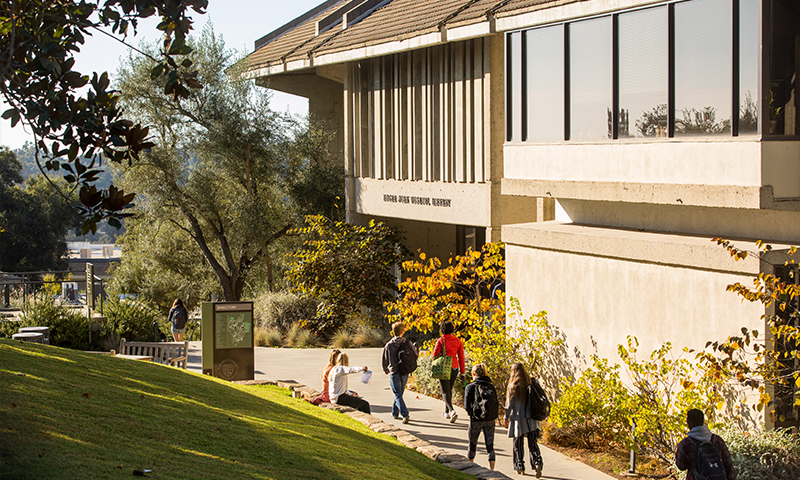
This belief comes to life in Westmont’s residential learning environment, where living and learning are woven together. Students share meals, conversations, and faith experiences that deepen their understanding of community. Here, the liberal arts curriculum isn’t confined to lecture halls; it extends into late-night debates, table talk over meals in the Dining Commons, service projects, and moments of reflection that shape both thought and soul.
As an undergraduate-focused institution, Westmont sees these years as greatly formative, a season when identity, purpose, and direction take shape. Every program, mentorship, and experience is designed to help students navigate this journey with clarity and confidence. “Our emphasis on undergraduate education and residential living offers a more effective and engaging outcome. These are the years that shape a person’s outlook for life,” explains Dr. Beebe.
Looking outward, Westmont also recognizes the growing interconnectedness of today’s world. As economies, cultures, and communities become increasingly intertwined, developing a global perspective is essential. Through international programs, study abroad opportunities, and partnerships across continents, Westmont encourages students to engage with the world in all its complexity, learning to lead with empathy, adaptability, and vision.
A Community Shaped by Faith
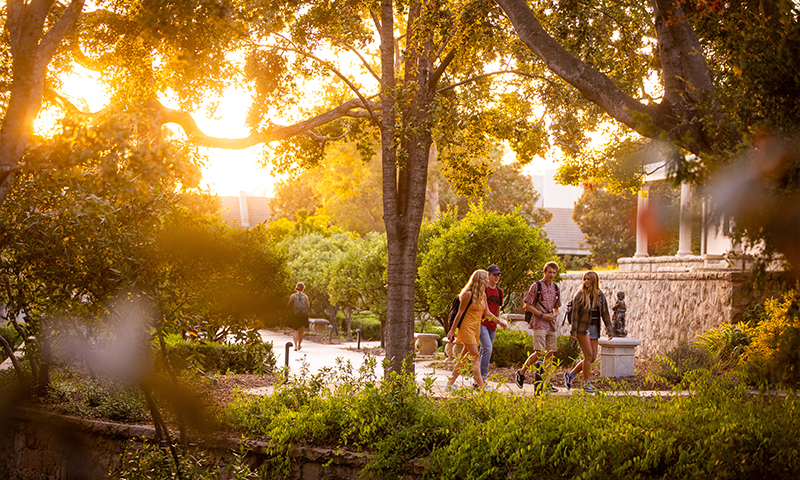
Faith is the heartbeat of the entire experience at Westmont College. Every classroom, chapel, and conversation reflects a shared commitment to Christian values, creating a campus life where learning and faith move together in harmony. For many students and families, this foundation is the reason they choose Westmont.
Visitors often describe feeling something distinct the moment they set foot on campus: a sense of warmth, care, and genuine hospitality. Prospective students speak of being welcomed not just as learners, but as individuals seeking meaning and purpose. That first impression often becomes a promise fulfilled. “When students arrive, they find a hospitable, faith-filled environment that encourages personal growth and spiritual transformation,” shares Dr. Beebe.
This sense of belonging is intentional. From the faculty and staff who model lives of integrity, to the peers who walk beside one another through moments of challenge and celebration, Westmont’s faith-centered ethos is woven into every part of campus life. It is not confined to chapel walls or Sunday services; it infuses academic inquiry, leadership opportunities, and daily interactions.
Within the liberal arts framework, faith and intellect meet as partners in discovery. Courses invite students to examine big questions about purpose, justice, truth, and vocation through the lens of Christian understanding. In this way, the classroom becomes a place where belief and scholarship strengthen one another, helping students see their studies not merely as preparation for a career, but as a calling.
Chapel gatherings, held multiple times each week, serve as anchors for the community. These moments of shared worship bring together students, faculty, and staff to pause, reflect, and reconnect with the deeper purpose behind their work. Outside the chapel, countless fellowship groups, service projects, and mentoring programs extend that spirit, giving students spaces to express faith in action and friendship.
At the core of it all is a simple but compelling conviction: faith flourishes best when it is lived out among others. “Our Christian foundation calls us to build a culture of integrity, character, and mutual respect. We want every student to explore their identity as a child of God and discern how they can use their gifts to contribute meaningfully to the world,” Dr. Beebe explains.
A World United in Learning
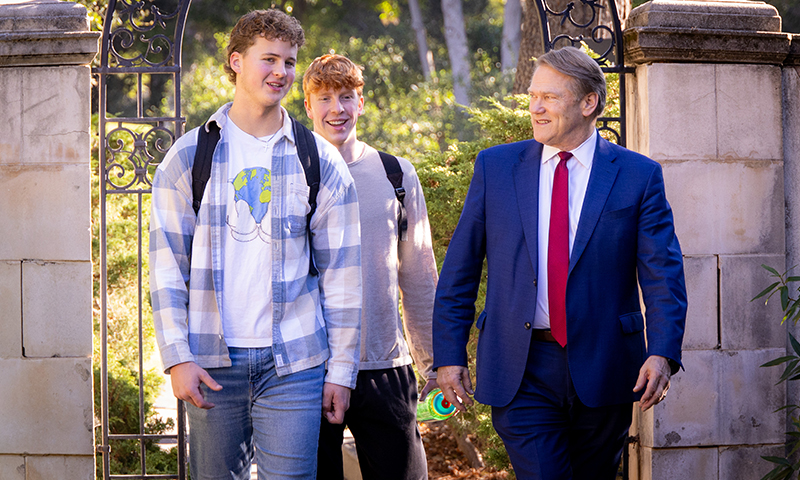
Westmont has long opened its doors to students from around the globe. Today, its international community represents more than 30 countries, including U.S. citizens who grew up overseas, exchange students experiencing the United States for the first time, and those whose identities span multiple cultures. Each one brings a distinctive lens to the classroom, enriching discussions and broadening understanding.
To ensure every student feels at home, Westmont’s International Student Services Support Network offers personalized guidance from the moment of acceptance. For students on F-1 visas, this support begins even before classes start through First Connections, a pre-orientation program designed to ease cultural adjustment and foster early friendships. It’s often here, over shared meals and conversations, that lifelong bonds begin to form.
Once on campus, international students find countless ways to connect and belong. Intercultural Organizations serve as hubs of fellowship and celebration, where students share their traditions, educate peers about their cultures, and engage in dialogues that deepen mutual respect. These spaces reflect Westmont’s belief that understanding grows best through relationship, curiosity, empathy, and the joy of discovering common ground.
The college’s commitment to access is equally evident in its approach to financial support. International students may receive up to $25,000 or more in merit-based scholarships each year, with additional opportunities for departmental aid in athletics, music, art, or theatre. Those holding F-1 visas can also gain valuable experience through on-campus employment, ensuring that financial constraints never stand in the way of growth.
Yet, Westmont’s vision of global education extends far beyond Santa Barbara’s sunlit hills. The college offers an array of faculty-led semester programs and partnerships with more than 30 affiliate institutions worldwide. Whether studying art history in Italy, environmental studies in Ecuador, or global development in Uganda, students are invited to step beyond the classroom and into the world. “These experiences transform learning and context and provide students with a résumé of international experiences and cultural competencies,” Dr. Beebe emphasizes. Financial aid and scholarships apply to most programs, reinforcing the college’s belief that international study should be an opportunity open to all.
Advisors encourage every student to plan early, often meeting with first-year undergraduates to help them align their global learning goals with degree requirements. The result is a generation of graduates fluent not only in their disciplines, but in the art of navigating difference with humility, respect, and curiosity.
Whether learning in Cairo, Spain, India, or the streets of Florence, Westmont students carry with them the same spirit they find on campus: a desire to learn deeply, serve faithfully, and engage the world with both heart and intellect. These experiences don’t just shape résumés; they shape character.
Learning for Life
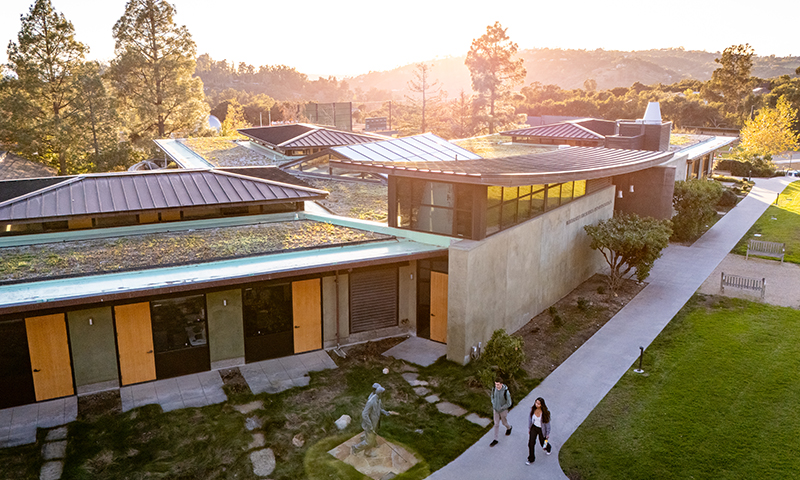
At Westmont College, education is seen as a lifelong pursuit that shapes not only what students know, but who they become. The college believes learning is most transformative when it’s rooted in community, guided by wisdom, and anchored in purpose.
The late management thinker Peter Drucker once observed that a liberal arts education offers the best preparation for life because it teaches us how to draw meaning from across disciplines. This spirit is alive in every Westmont classroom. Students are invited to explore connections between ideas, disciplines, and worldviews, developing a mindset that’s curious, humble, and open to lifelong learning.
“The liberal arts teach us how to think. They teach us an approach to learning that invites us to see the interrelationship of all knowledge. They cultivate intellectual humility as we discover the wide, vast universe of human knowledge. This recognition invites and spurs on curiosity for a lifetime of learning,” reflects Dr. Beebe. In a world where technology shifts rapidly and careers evolve constantly, Westmont prepares students not just for a job, but for a life of meaning. The college’s approach is both intellectual and formational, nurturing individuals who can reason deeply, communicate clearly, lead with integrity, and make wise moral and spiritual choices.
“We want our students to become certain kinds of people, not mere repositories of information. Their education should nourish the mind and the spirit, equipping them to contribute thoughtfully wherever they go,” says Dr. Beebe. Inside and outside the classroom, Westmont’s liberal arts foundation shapes the whole person by cultivating curiosity, compassion, and a desire to serve. Students learn how ideas translate into action, how values inform vocation, and how knowledge can be used to build communities that flourish.
Career development is a natural part of this journey. The Career Resource Center helps students discover their strengths early on, using reflective tools and mentoring to match their passions with purpose. Through internships, apprenticeships, and entrepreneurial opportunities, students gain practical experience that complements their academic preparation. “We guide our students through the process of discovering who they are through assessment tools based on personality, skill, interests, what they are drawn to, and what’s important to them so they are equipped to explore their options, prepared to gain meaningful internship experience and pursue fulfilling roles in their chosen field after graduation,” shares Dr. Beebe.
For Westmont, career readiness is a part of a larger vision for human flourishing. Through the liberal arts, students are equipped to live wisely, lead compassionately, and serve faithfully, wherever life takes them.
A Community of Global Thinkers and Changemakers
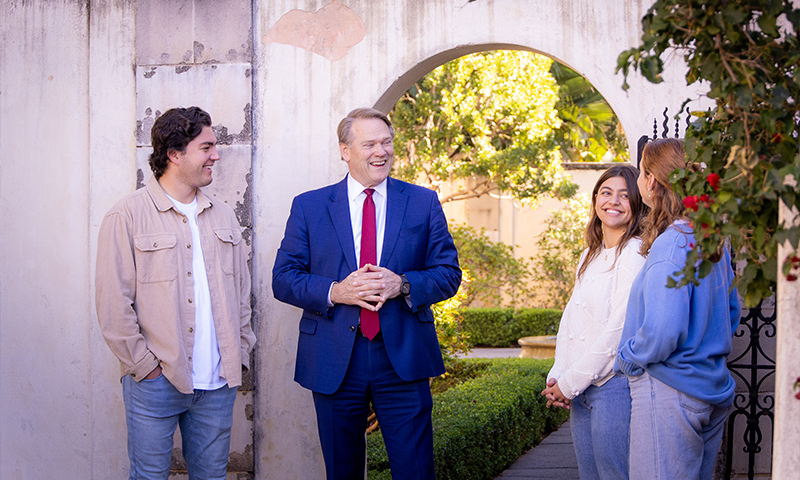
As a classic liberal arts institution, Westmont integrates academic rigor with personal growth, embracing global exploration and multicultural understanding. Nearly half of the student body reflects diverse backgrounds, a living expression of the college’s enduring mission: to prepare graduates for lives of purpose and impact across every corner of the world. “Communities form around shared understandings. They embody a particular way of seeing the world and reflect how we understand and interpret specific experiences,” says Dr. Beebe.
That spirit of community is one of Westmont’s greatest strengths. International students are drawn by the college’s academic reputation and stay for the warmth of its people. The results speak for themselves: graduation rates for international students consistently hover in the 90th percentile, reflecting a strong sense of belonging and support.
Outside the classroom, life at Westmont is vibrant and full of opportunities to connect. Students gather for movie nights, international dinners, and cultural fairs, or head off campus to explore the world beyond Santa Barbara, whether it’s a professional ballgame, a museum visit, or a weekend trip to Los Angeles, San Francisco, or one of California’s many cultural landmarks. These shared experiences deepen cross-cultural understanding and create friendships that last long after graduation.
Westmont’s approach to global education is built on reciprocal learning. “We embrace a global perspective, providing international students with cross-cultural experiences to dive deeper into American culture they want to learn about or are eager to experience. By engaging with diverse cultures and ideas, the reciprocal learning exchange between all students prepares them to navigate and contribute to an ever-increasing interconnected world,” notes Dr. Beebe. This emphasis on global learning and education empowers all graduates to approach global challenges with empathy, insight, and innovative thinking across all cultural contexts.
Alongside its global outlook, Westmont offers a range of academic programs that reflect both intellectual depth and real-world relevance, particularly popular among international students seeking strong professional foundations.
The Pre-Health track, for instance, has long been recognized for excellence, boasting a 93% acceptance rate to medical, dental, and veterinary schools. This strong record reflects Westmont’s combination of rigorous science preparation and the critical thinking nurtured by the liberal arts.
The Engineering Program embodies the same philosophy. Fully ABET-accredited, it blends technical mastery with creativity, moral imagination, and collaboration. Students engage in courses that unite engineering, mathematics, and physics with art, history, and philosophy, preparing them to solve complex global challenges with both precision and compassion. Graduates have gone on to work with organizations like Raytheon, Lockheed, and the Department of Energy, as well as to pursue advanced study at leading institutions such as the Rochester Institute of Technology.
In downtown Santa Barbara, the Grotenhuis Nursing Program is shaping the next generation of healthcare leaders. Offering an Accelerated Bachelor of Science in Nursing (ABSN), the program partners with Cottage Hospital, Sansum Health, and other local clinics to create direct career pathways. Its fast-track curriculum allows transfer and first-year students to complete two degrees in 4.5 years, combining academic excellence with compassionate, holistic care. Guided by the motto Compassionate Care, Westmont nurses graduate ready to serve with skill, integrity, and heart.
A Community That Feels Like Home
The Westmont College campus immediately conveys the closeness of a community built on care, connection, and shared purpose to anyone who walks across it. With a student body of around 1,200 residential students, Westmont’s size is one of its greatest strengths. It creates a campus where everyone is known by name, where relationships grow naturally, and where every student feels seen, supported, and valued. “Westmont is the right size, in the right location, with a multi-cultural landscape to engage in off and on-campus internships, research, service opportunities and ministry outreach. Faculty and staff are deeply committed to offering personal attention and genuine care. Students are seen and known at Westmont,” shares Dr. Beebe.
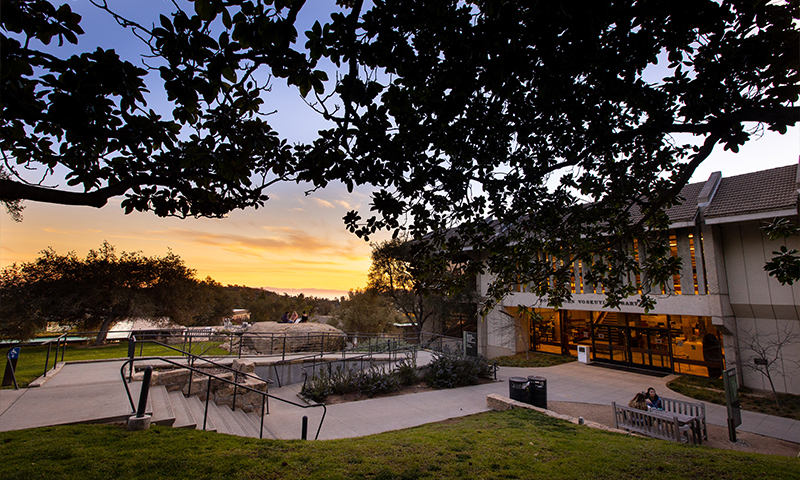
Here, students live and learn together in a setting that blends academic focus with vibrant community life. The college’s Santa Barbara location adds a touch of everyday inspiration; ocean views, sunlit trails, and a city rich with culture. It’s a place where outdoor adventure meets intellectual exploration, where the classroom extends into the world beyond.
Faculty and staff play a central role in this sense of belonging. Professors don’t just teach; they mentor, guide, and invite students into their lives. Many open their homes for shared meals or conversations that stretch late into the evening. Through the college’s Take a Professor to Lunch program, students can connect with faculty beyond the classroom, a small tradition that often leads to lifelong mentorships.
Campus life is full of moments that turn classmates into friends. Weekly chapel gatherings, weekend hikes through the nearby hills, impromptu beach trips, and afternoons exploring local thrift shops and museums create the rhythm of Westmont life. A beloved poster lists “101 Things to Do as a Westmont Student”, and students eagerly check off experiences together, a playful reminder that learning here is as much about living as it is about studying. “These moments foster a sense of belonging and personal growth, shaping students into confident individuals equipped to make meaningful contributions to any society they choose to serve,” Dr. Beebe reflects.
This strong network of friendships and mentorships forms the backbone of the Westmont experience. Students know they are part of something enduring, a community that celebrates with them in success, walks beside them in challenge, and equips them to step into the world with purpose. At its core, Westmont’s community is grounded in shared values. Compassion, integrity, accountability, respect, courage, and discipline are lived realities. These principles shape daily life on campus, guiding students as they learn to lead with humility and conviction.
“We seek to foster a culture where these values are not just abstract concepts but are actively lived out in everyday life, shaping ethical leaders who are prepared to contribute meaningfully to society,” Dr. Beebe explains. This is the heart of Westmont’s identity: a close-knit, values-driven community that nurtures both intellect and character. Within this family-like atmosphere, students find more than an education. They find belonging, purpose, and a lifelong connection to a place and people who helped them become who they are.
Rooted in Place, Reaching for the Future
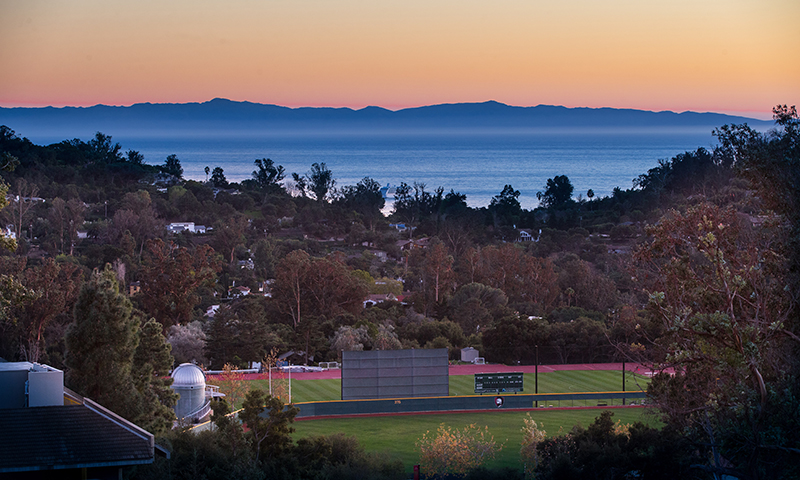
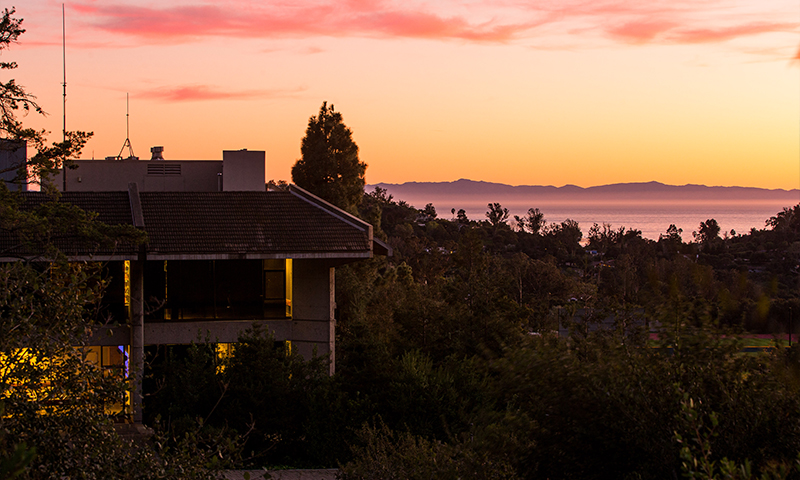
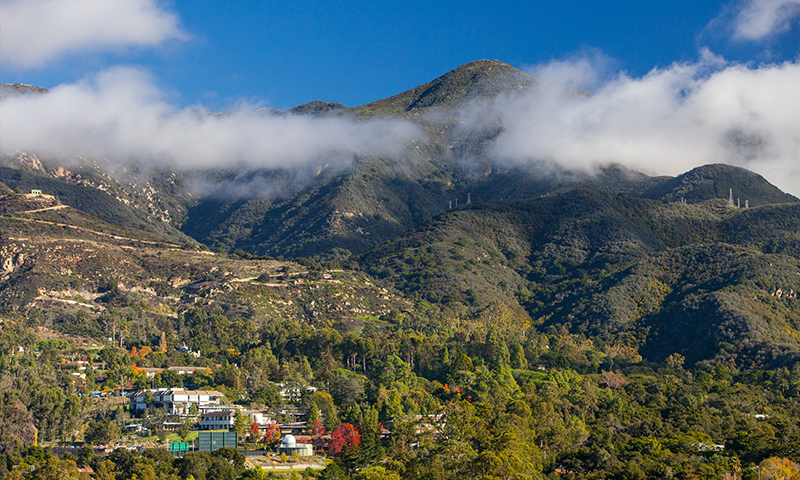
Set against the backdrop of the American Riviera, Westmont College finds its home in one of the most breathtaking corners of California. Nestled in the foothills of Montecito, overlooking the vast blue expanse of the Pacific, the campus blends natural beauty with quiet reflection, a sanctuary for learning, faith, and growth. “Prospective students are drawn to Westmont not only for its academic offerings but also for its unique environment,” says Dr. Beebe.
Here, students wake to ocean breezes and mountain views, study beneath canopies of oak and eucalyptus, and walk paths lined with gardens and sunlit courtyards. The rhythm of life in Santa Barbara with its balance of nature, culture, and community invites a lifestyle that is both active and reflective, “There are a plethora of choices to explore, enjoy and connect with the culture to provide every opportunity to have an active outdoor and off campus lifestyle,” Dr. Beebe adds.
Beyond the campus gates, the city becomes an extension of the classroom. Just minutes away, Westmont’s shuttle carries students into downtown Santa Barbara, a vibrant hub of art galleries, theaters, beaches, and cafes. Whether kayaking along the coastline, hiking mountain trails, or attending a local film festival, students are immersed in a city alive with creativity and culture. It’s a setting that fosters exploration and connection, offering every opportunity to engage, serve, and grow.
As Westmont nears its centennial milestone, the college remains firmly anchored in its founding vision while keeping a steady eye on the future. “We’re committed to honoring the past, managing the present, and mapping the future, all while maintaining an aspiring edge for the future,” says Dr. Beebe. This vision takes shape through strategic planning, a disciplined, forward-thinking process that renews every three years. Guided by a long-term horizon, Westmont identifies emerging opportunities, aligns resources, and sets priorities that ensure it continues to thrive as a top-performing Christian liberal arts college.
The college’s commitment to growth is evident across every dimension. New allied health programs are expanding to meet the demands of the fast-growing healthcare sector, building on the success of the nursing program. Athletics continues to rise to new heights, with Westmont’s teams now competing in the NCAA Division II. Career-oriented pathways and post-secondary programs are being developed to equip students with both purpose and professional readiness.
In downtown Santa Barbara, Westmont’s expanding extension campus is bringing education closer to the heart of the community; a dynamic space where faith, scholarship, and service intersect. “Our relentless pursuit of excellence in people, programs, and purpose defines who we are. As we approach our 100th year, we remain steadfast in preparing students to lead with wisdom, courage, and grace in a changing world,” Dr. Beebe affirms.
Rooted in the beauty of its surroundings and guided by an enduring mission, Westmont College continues to grow, nurturing minds, shaping hearts, and inspiring lives that reflect light into every corner of the globe.
For More Info: https://www.westmont.edu/