



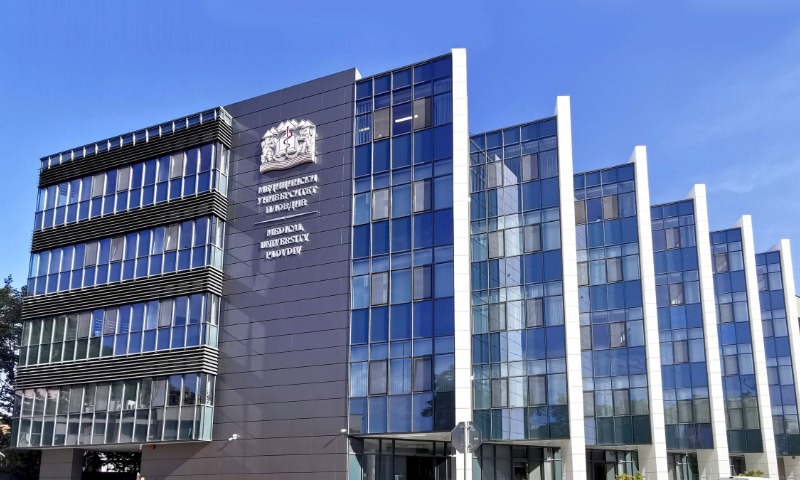
Educating Future Healthcare Leaders Through Clinical Excellence Research and Global Collaboration
Founded in 1945, Medical University of Plovdiv has grown into one of Bulgaria’s most respected medical institutions. Over the past eight decades, the university has built a strong reputation for academic rigor, clinical training, and international education. Today, it brings together the Faculty of Medicine, Faculty of Dental Medicine, Faculty of Pharmacy, Faculty of Public Health, Medical College, and the Department of Languages and Specialized Training under one academic community focused on preparing future healthcare professionals for a rapidly changing world.
The university offers English-taught programs in Medicine, Dental Medicine, Pharmacy, and Nursing, attracting students from more than 65 countries across Europe, Asia, Africa, and the Americas. More than 38,000 Bulgarian and international students have studied at the university over the years, highlighting its growing global reach and reputation.
A strong connection between academic foundations and real clinical experience defines the institution’s approach to medical education. Students train in six university hospitals, including the University Hospital “St. George,” the largest hospital in Bulgaria. Equipped with advanced technologies for diagnosis, treatment, teaching, and research, the hospital gives students direct exposure to modern healthcare environments from the early stages of their education.
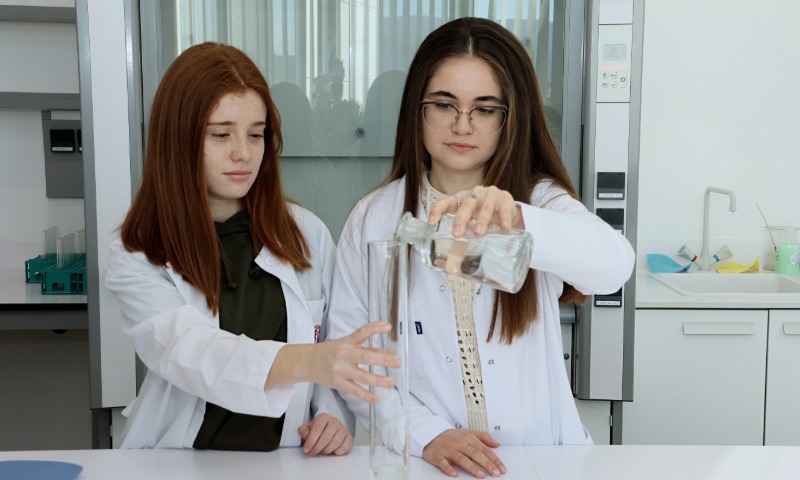
The university’s commitment to practical learning is equally visible in its Faculty of Dental Medicine, which houses one of the country’s largest and most modern dental education facilities. Students learn in fully equipped lecture halls, phantom laboratories, preclinical training rooms, and clinical halls where they work directly with patients. The Faculty of Pharmacy also demonstrates the university’s investment in modern education through updated laboratories and comprehensive practical training.
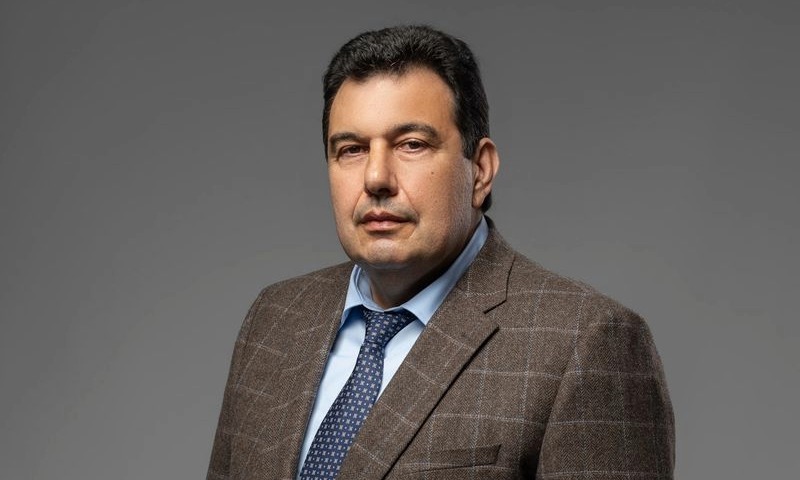
Prof. Dr. Angel Uchikov, Rector of Medical University of Plovdiv, believes the university’s long-standing success comes from its ability to preserve academic values while remaining open to change. “We balance our historic legacy with innovation by seeing tradition as a living academic continuum, in which knowledge is passed on by distinguished teachers, clinicians, and researchers whose careers have shaped Bulgarian medicine for eight decades,” he says.
That sense of continuity remains deeply connected to the present. Many of the university’s academic leaders are active clinicians who bring real-world medical practice directly into the classroom. Several have also trained or specialized at internationally recognized institutions such as Harvard University, University of Oxford, and Heidelberg University. Their experience helps the university stay connected to global academic and healthcare developments while preserving the standards that have defined it since its founding.

As the university continues to expand, its leadership remains focused on strengthening both education and research. Investments in modern infrastructure, simulation-based learning, and advanced research facilities are helping shape a more dynamic academic environment. The university is also recognized among Bulgaria’s leading research university centers, with active work in fields such as translational neuroscience, regenerative medicine, innovative diagnostics, pharmaceutical technologies, dental medicine, patient safety, and simulation training.
International collaboration also plays a central role in the university’s growth. Through more than 150 academic partnerships and participation in over 15 international academic organizations and networks, the university continues to deepen its global engagement while creating new opportunities for students, researchers, and faculty members.
For Prof. Angel Uchikov, the mission is clear. “Our goal is to strengthen MU-Plovdiv as a modern European medical university that combines educational quality, internationally connected research, and practical impact on healthcare and society.”
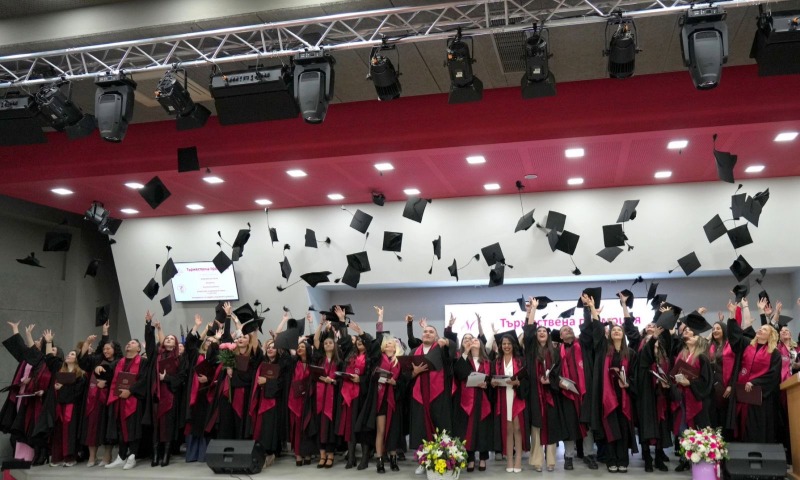
Learning Through Real Clinical Experience
At Medical University of Plovdiv, students learn in an environment where different healthcare disciplines work closely together. Medicine, dental medicine, pharmacy, nursing, midwifery, rehabilitation, and healthcare management are all part of one connected academic system. This structure helps students understand early in their education that modern healthcare depends on collaboration between professionals from different fields.
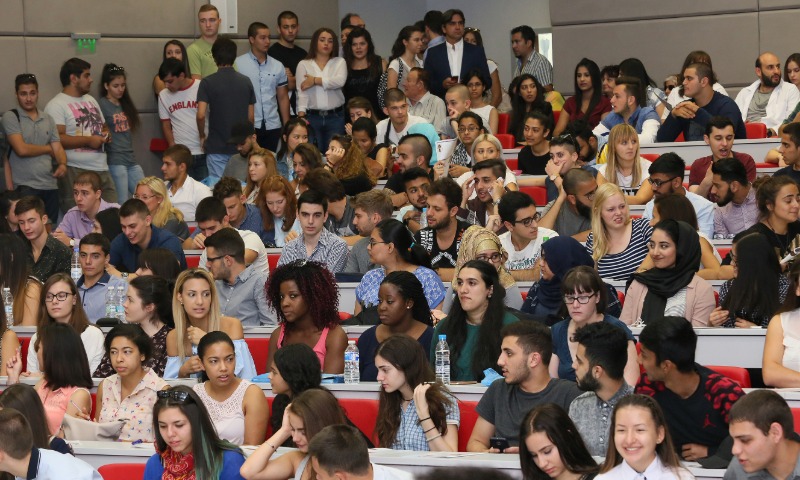
The university’s campus setting also strengthens this experience. Located in the center of Plovdiv, the campus sits between two of the city’s well-known hills and offers students a compact and connected academic environment with large green spaces nearby. The setting combines the energy of city life with a strong sense of academic community.
Students also have access to one of the country’s most modern academic resource environments through the university’s Library and Information Center. With digital resources, specialized databases, and virtual library services, students across all faculties are encouraged to build strong research and evidence-based learning habits throughout their studies.
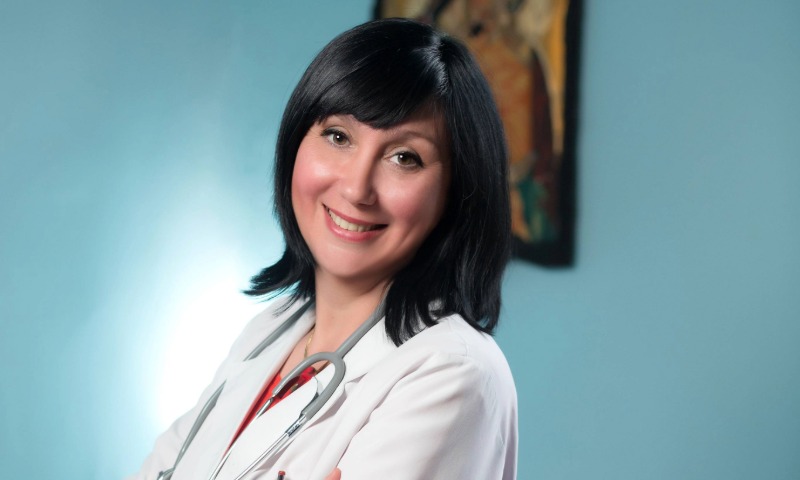
Professor Veselina St. Goranova-Marinova, Vice-Rector for Education, believes one of the university’s biggest strengths is the way students learn across disciplines while sharing access to advanced clinical and laboratory infrastructure. This gives them a broader understanding of how diagnosis, treatment, prevention, rehabilitation, and pharmaceutical care connect in real medical practice. “Our students learn from the beginning that modern healthcare depends on teamwork across professions,” she says.
Clinical exposure begins early and remains a central part of the educational experience. Students are introduced to real healthcare settings from the first years of study, allowing them to connect classroom learning with patient care in a meaningful way.
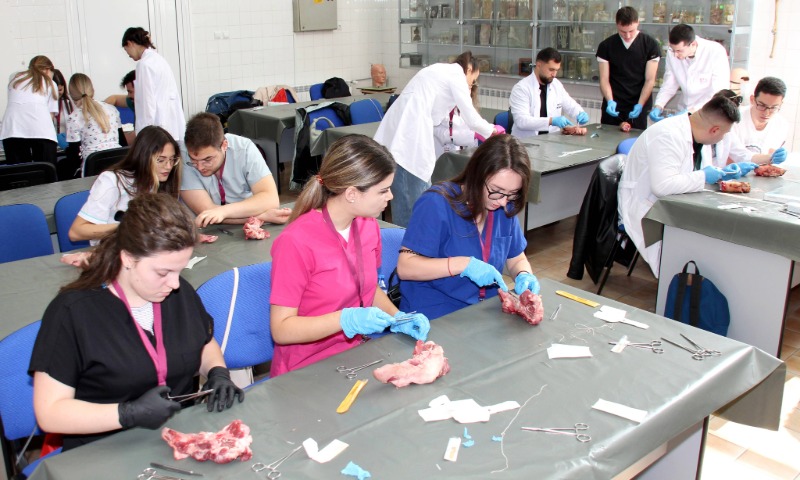
Medical students develop their foundational knowledge through anatomy training on real human cadavers and other biomedical sciences before moving into clinical observation and hospital practice. Dental medicine students progress from simulation and phantom training to direct patient care in modern clinical facilities. Pharmacy students combine scientific study with applied laboratory and professional training that prepares them for real-world therapeutic practice.
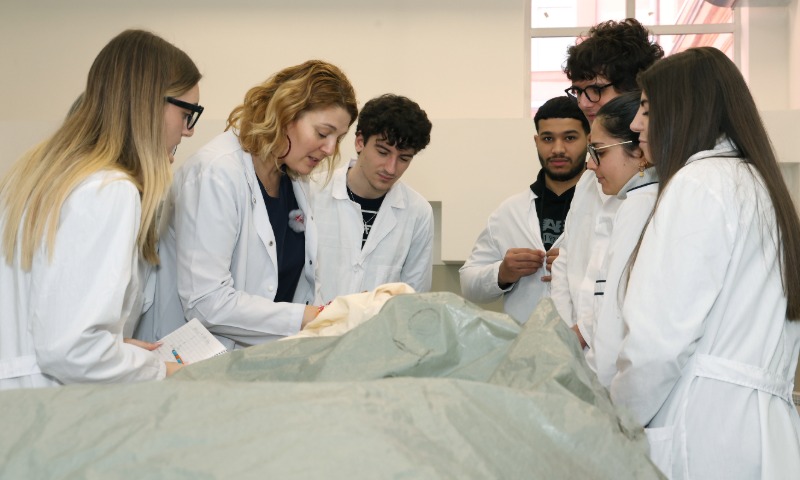
The university also places strong emphasis on simulation-based learning, laboratory practice, and bedside teaching. These experiences help students build confidence, technical skills, and professional judgment alongside their academic knowledge.
According to Professor Goranova-Marinova, this consistent contact with real patients plays an important role in shaping students as healthcare professionals. “This early, continuous contact with real patients gives our students exceptional clinical maturity, professional confidence, and readiness for the demands of modern healthcare,” she explains.
Preparing Future Healthcare Leaders for a Changing World
As healthcare systems continue to evolve, Medical University of Plovdiv is preparing students and researchers to respond to new medical, scientific, and social challenges with confidence and responsibility.
The university combines early clinical training with advanced simulation-based education and research in areas that are shaping the future of medicine. Students gain experience in real hospital settings from the early stages of their education, while the university’s modern Simulation Center allows them to strengthen technical skills and patient-safety awareness before working directly with patients.
Research is another major focus area. Through its Research Institute and Strategic Research and Innovation Programme, the university is expanding work in fields such as translational neuroscience, regenerative medicine, innovative diagnostics, patient safety in surgery, dental technologies, and pharmaceutical innovation.
Professor Goranova-Marinova says the university is committed to preparing students for a healthcare landscape that is changing rapidly across the world. “We are preparing future professionals not only to respond to today’s healthcare needs, but also to lead in areas such as precision medicine, advanced diagnostics, safer surgery, innovative therapeutics, and digitally supported medical education,” she says.
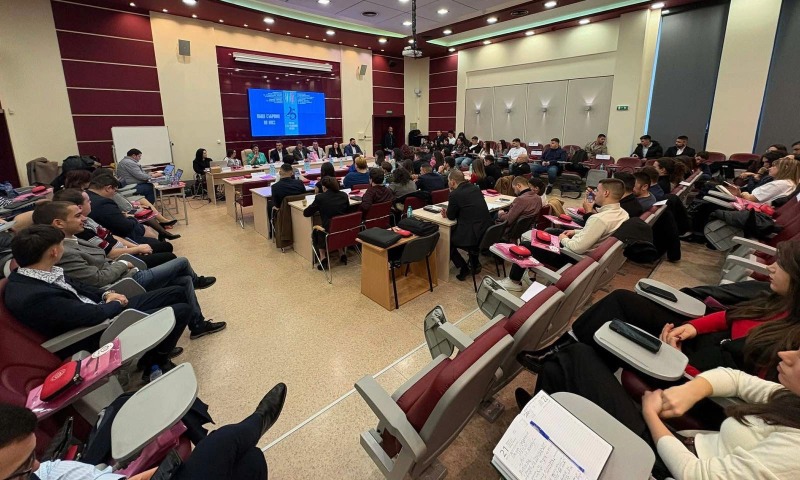
The university also encourages interdisciplinary collaboration and international scientific exchange. Academic forums in translational medicine regularly bring together researchers, doctoral students, faculty members, and young scientists from across Europe. These interactions help students and researchers stay connected to global scientific developments and emerging healthcare priorities.
To meet the growing demands of modern healthcare, the university integrates training in digital health, innovative medical technologies, interdisciplinary teamwork, preventive medicine, public health, and patient-centered care. These areas are becoming increasingly important as healthcare systems adapt to aging populations, emerging diseases, and ongoing transformation across the medical sector.
Alongside academic and scientific progress, the university continues to place strong emphasis on human values and student development. Its leadership believes healthcare education should prepare graduates not only with knowledge and technical expertise, but also with empathy, professionalism, and a clear sense of responsibility toward society.
Today, Medical University of Plovdiv continues to strengthen its position as a modern European medical university that values academic quality, international collaboration, and practical impact on healthcare and communities.
Building a Research Culture with Real-World Impact
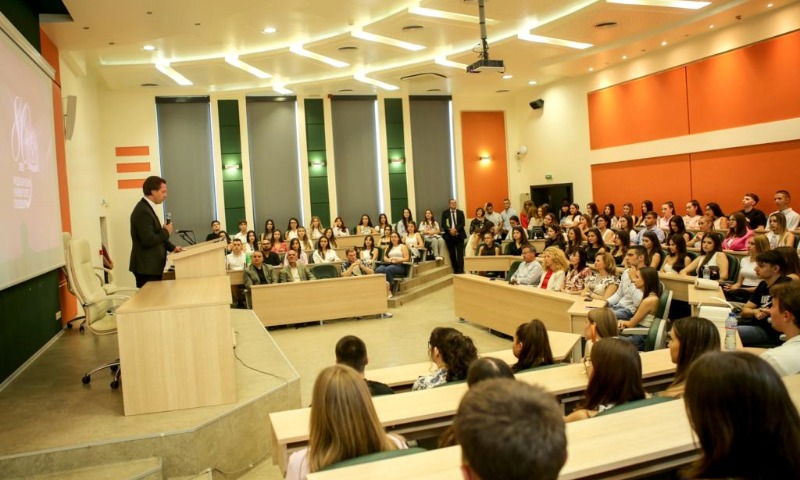
Research plays a central role at Medical University of Plovdiv. The university’s scientific work is closely connected to the changing needs of modern healthcare and focuses on areas that can improve patient care, medical practice, and public health.
Its current research agenda includes personalized medicine, pharmaceutical technologies, chronic diseases, preventive healthcare, medical and dental innovation, and public health research. The university also supports work in areas with strong social relevance, including child development, speech and language pathology, environment and health, phytotherapeutics, and clinical morphology.
According to Prof. Maria Tokmakova, MD, PhD – Vice Rector of Science and Research Activities, the goal is to ensure that scientific work remains connected to real healthcare needs and practical outcomes. “MU-Plovdiv is shaping a scientific agenda that connects laboratory discovery, clinical application, and the evolving needs of modern society,” she says.
Research activities are supported through specialized research infrastructure, university centers, and participation in national and international scientific projects. Faculty members actively involve students in research culture from an early stage, encouraging them to think critically and engage deeply with their studies.
At the university, students are expected to do more than memorize information. Faculty members encourage them to ask questions, compare ideas, defend their reasoning, and make thoughtful professional decisions. Many professors are also practicing physicians, dentists, pharmacists, and researchers who bring direct clinical and scientific experience into the classroom and hospital environment.
This connection between education and practice leaves a strong impression on students. They quickly learn that healthcare is built around people and human responsibility. Professor Goranova-Marinova believes this understanding is essential in medical education. “Students understand that patients are not abstract clinical cases, but human beings who are ill, vulnerable, and often suffering,” she explains.
Students are also encouraged to join scientific conferences, research societies, and academic sessions throughout their education. These opportunities help build curiosity, confidence, and a habit of lifelong learning. The university wants students to continue growing professionally long after graduation.

Doctoral education has become another major strength of the institution. Doctoral students play an active role in teaching, research projects, and scientific collaboration. The university currently offers 63 accredited doctoral programs and continues expanding its research capacity with new doctoral fields and updated accreditation processes.
Research training includes access to modern facilities, interdisciplinary collaboration, publishing opportunities, and international mobility. Doctoral students also participate directly in university research projects. In 2025 alone, 37 doctoral students served as leading investigators in university-funded projects, reflecting the university’s strong support for early academic involvement.
The university also participates in Bulgaria’s national program for Young Scientists and Postdoctoral Fellows. In 2025, 49 researchers from MU-Plovdiv were approved through the initiative, including postdoctoral fellows and young scientists receiving institutional support for their work.
For Prof. Maria Tokmakova, doctoral education is closely tied to the future of healthcare and scientific progress. She sees it as a space where future researchers, innovators, and academic leaders develop through mentorship, collaboration, and hands-on scientific work.
Creating a Culture of Care, Collaboration, and Responsibility
At Medical University of Plovdiv, collaboration extends far beyond the classroom. The university works closely with hospitals, clinical departments, research groups, and industry partners to connect academic knowledge with practical healthcare solutions.
These collaborations support clinical trials, applied research projects, educational initiatives, and technology transfer activities. The university also participates actively in European and international research programs, helping researchers and students stay connected to global scientific developments.
In recent years, the university has strengthened interdisciplinary cooperation through forums and scientific events that bring together experts from different healthcare and research fields. Events such as the International Forum on Translational Medicine and the interdisciplinary oncology forum “Oncological Compass” create opportunities for dialogue between clinicians, researchers, faculty members, and young scientists.
The university’s growing research partnerships are also reflected in its participation in national and international projects. In 2025, MU-Plovdiv reported involvement in 32 research projects and contributed expertise through Bulgaria’s National Science-Business cooperation platform.
Professor Goranova-Marinova believes these efforts are important because they help move scientific ideas into practical healthcare applications. “MU-Plovdiv is creating the mechanisms needed to translate discovery into diagnostics, technologies, and healthcare solutions with real-world impact,” she says.
Alongside academic achievement and scientific development, the university places strong emphasis on empathy, ethics, and social responsibility. Its motto, “Dedicated to Humanity,” reflects a culture that encourages students to care deeply about the people and communities they serve.
Student involvement in volunteer and outreach activities plays a major role in shaping this mindset. One example is the student-led organization Medical Students On a Mission (M.S.O.M.), which focuses on supporting communities with limited access to healthcare. In one outreach initiative in Southern Bulgaria, international medical students participated in healthcare screening activities for underserved populations.
The university has also provided ongoing support for students from Ukraine through accommodation and financial assistance organized with the help of the Student Council. Final-year medical students regularly participate in health education campaigns focused on hygiene, nutrition, immunization, and public awareness.
During the COVID-19 pandemic, many students volunteered alongside doctors, nurses, pharmacists, and trainee physicians on the front lines. Their contribution reflected the strong sense of professional responsibility encouraged throughout the university.
The same values are visible within the Faculty of Dental Medicine, where students participate in volunteer initiatives such as “Children’s Smile,” “Teddy Bear Hospital,” “Blue Wednesdays” for oral cancer prevention, visits to elderly homes, refugee support missions, and international charity work including Gambia Mission 2025.
In the Faculty of Pharmacy, patient-centered thinking is built into the curriculum through courses such as Pharmaceutical Care, Clinical Pharmacy, Pharmacoeconomics, and Pharmaceutical Legislation. These subjects encourage students to think carefully about the people who rely on medicines for safe and effective treatment.
Across the university, students are constantly reminded that technical knowledge alone is not enough in healthcare. Compassion, communication, patience, and ethical responsibility are equally important parts of becoming a trusted healthcare professional.
Professor Goranova-Marinova believes this balance defines the university’s identity. “Science and skill are essential, but they achieve their highest value only when placed in the service of the patient,” she says.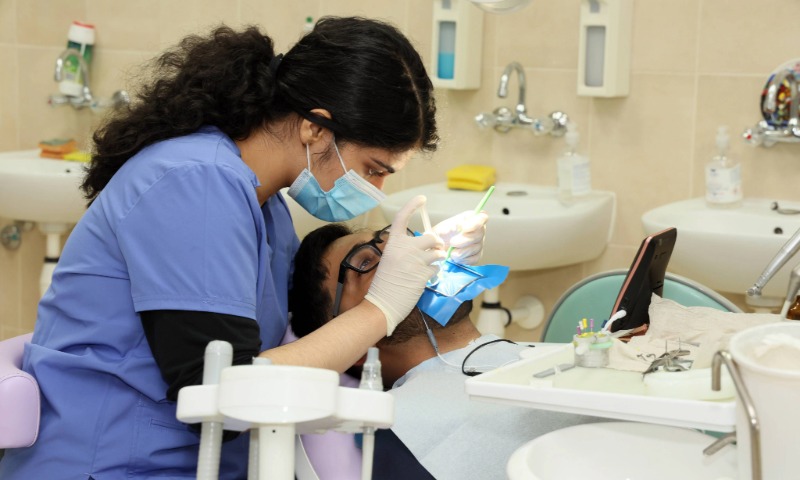
Building a Global Student Community
At Medical University of Plovdiv, international students are seen as an important part of the university community. The institution has built a strong support system to help students from different countries feel welcomed, informed, and connected from the moment they begin their journey.
This support starts even before enrollment. Prospective students and their families receive guidance throughout the application and admission process, helping them better understand academic requirements and student life in Bulgaria. The university’s Welcome and Information Center plays a central role in helping newly admitted students adapt to life at the university and settle into their new environment.
Prof. Neshka Manchorova, DMSc – Vice Rector of International Relations and Student Integration, says the university places strong emphasis on helping students feel part of the academic community from the very beginning. “Our goal is not only to welcome students from around the world, but to help them truly become part of the University community,” she explains.
Throughout the year, the university organizes Open Days for Bulgarian and international applicants. These events give future students the opportunity to visit faculties, meet professors and current students, and experience the atmosphere of the campus firsthand.
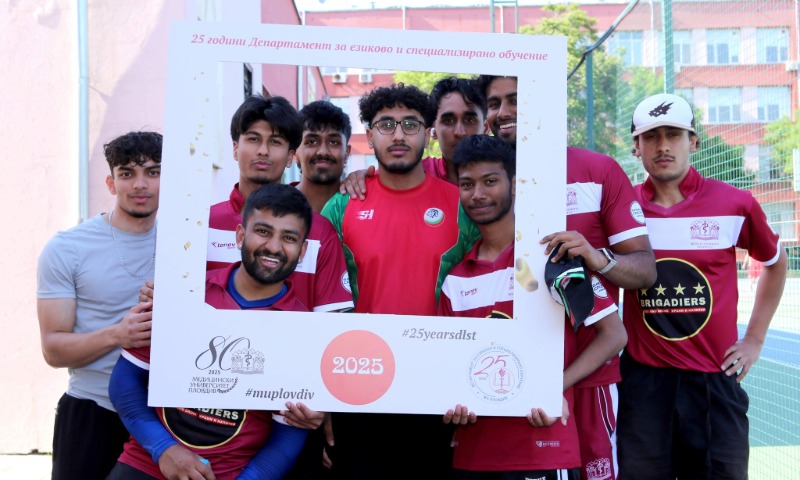
Student integration also continues beyond academics. The university encourages international students to engage with the cultural and social life of Plovdiv and Bulgaria through organized city tours, cultural visits, and shared student activities. In 2025, with support from the Bulgarian Ministry of Education, international students visited several well-known Bulgarian destinations including Shiroka Luka, Koprivshtitsa, Melnik, and Sandanski. These experiences helped students develop a stronger connection to the country and its traditions.
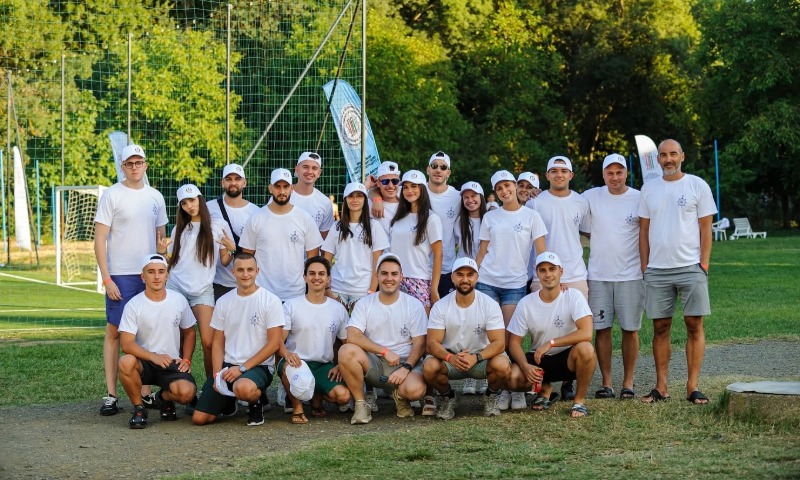
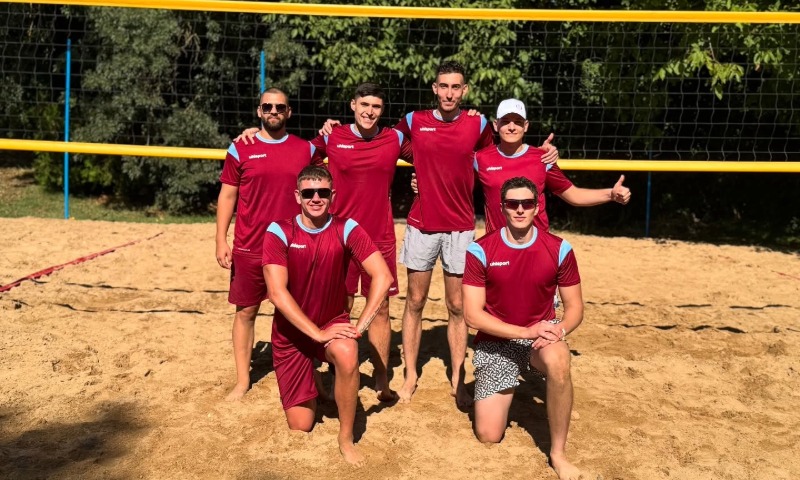
Student life at MU-Plovdiv extends well beyond lecture halls and laboratories. Students participate in sports tournaments, cultural activities, and peer-led initiatives throughout the academic year. Indoor and outdoor sports facilities are available on campus, and students regularly represent the university in national and international sporting events.
New student-led initiatives are also helping strengthen connections between Bulgarian and international students. One example is “The Bridge,” a club founded in 2025 by students from the English-language medical program. The club creates opportunities for mentoring, discussion, and cultural exchange among students from different backgrounds.
Music also brings students together through the university choir, UniVoices, where students from different countries share their interest in music, medicine, and community life in Plovdiv.
International academic experience remains another important focus for the university. Through programs such as Erasmus+ and CEEPUS, students can participate in exchanges, traineeships, internships, and mobility programs across Europe and beyond. These opportunities allow students to experience different healthcare systems, educational approaches, and professional environments.
The university actively supports students in accessing these opportunities through its international offices and academic partnerships. Cooperation agreements with universities and institutions abroad continue to expand mobility and collaboration opportunities for students and faculty alike.
One important partnership is with the USC Alfred E. Mann School of Pharmacy and Pharmaceutical Sciences, where pharmacy students from MU-Plovdiv participate in international schools and academic programs organized by partner institutions.
Student organizations also maintain active participation in international networks and professional associations, including European Dental Students’ Association, International Federation of Medical Students’ Associations, and European Pharmaceutical Students’ Association. These activities give students opportunities to exchange ideas, collaborate on projects, and build international professional connections early in their careers.
Shaping the Future with Purpose and Innovation
As Medical University of Plovdiv looks toward the future, its leadership remains focused on balancing academic tradition with steady innovation and long-term development.
The university’s strategic priorities include expanding digital education, strengthening research capacity, modernizing infrastructure, and deepening international partnerships and academic exchange. These efforts are designed to help the university continue growing as one of the leading medical institutions in the region and across Europe.
Professor Goranova-Marinova believes the university’s future depends on staying responsive to the changing needs of healthcare and education while maintaining strong academic standards. “We remain committed to maintaining high academic standards, modernizing teaching approaches, expanding international cooperation, and further strengthening our student-centered character,” she says.
In recent years, the university has invested significantly in its educational, clinical, and research infrastructure. University Hospital “St. George” has expanded its clinical capacity through the development of modern facilities including the new University Children’s Hospital, advanced hematology and oncology clinics, a Cellular Therapy Center, nephrology and dialysis clinics, and upgraded radiology and nuclear medicine facilities.
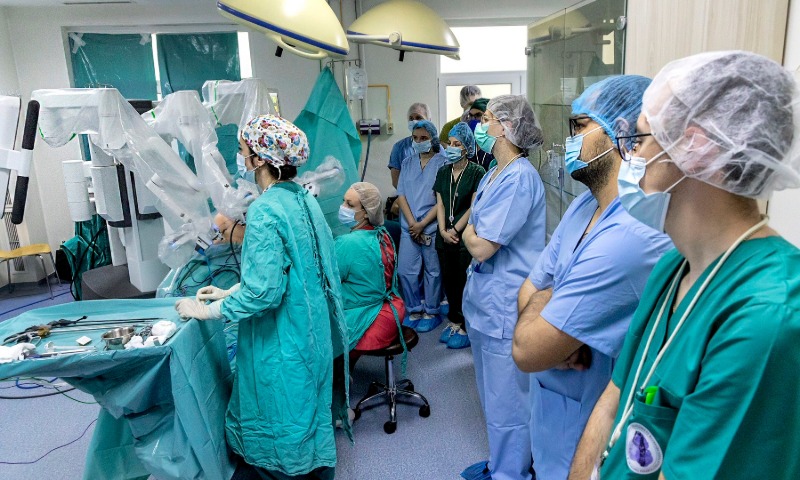
The hospital has also introduced advanced imaging technologies and robotic surgery equipment, giving students and clinicians access to modern medical tools and treatment methods within the university’s clinical environment.
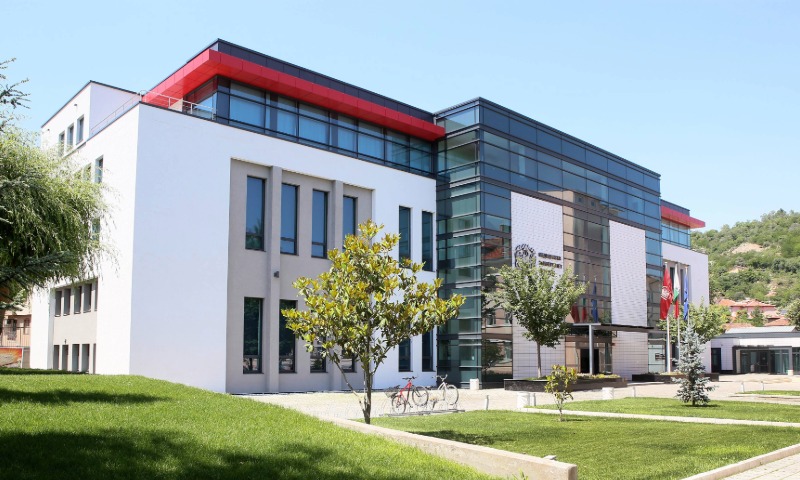
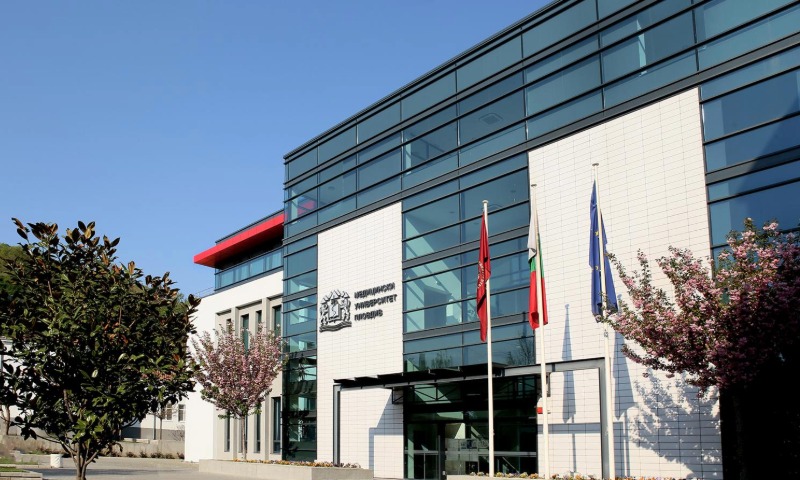
Across the wider campus, infrastructure development continues to support both education and research. New buildings for the Faculty of Public Health and the Department of Languages and Specialized Training have strengthened the university’s academic environment. Students also benefit from facilities such as the Dental Laser Center, the modern University Library, the advanced Simulation Center, and the renewed Museum of Medicine.
These investments reflect the university’s ongoing effort to create an educational environment that aligns closely with the realities of modern medicine and healthcare practice.
At the same time, the university continues to place students at the center of its long-term vision. Academic quality, practical learning, research growth, and international collaboration remain closely connected to the broader goal of preparing future healthcare professionals who are skilled, adaptable, and socially responsible.
For Professor Goranova-Marinova, this vision is ultimately about building a university community that continues to evolve while staying grounded in its educational mission and human values.
For More Info: https://mu-plovdiv.bg/en/