


Preparing Global Leaders Through Accessible Future Ready Education
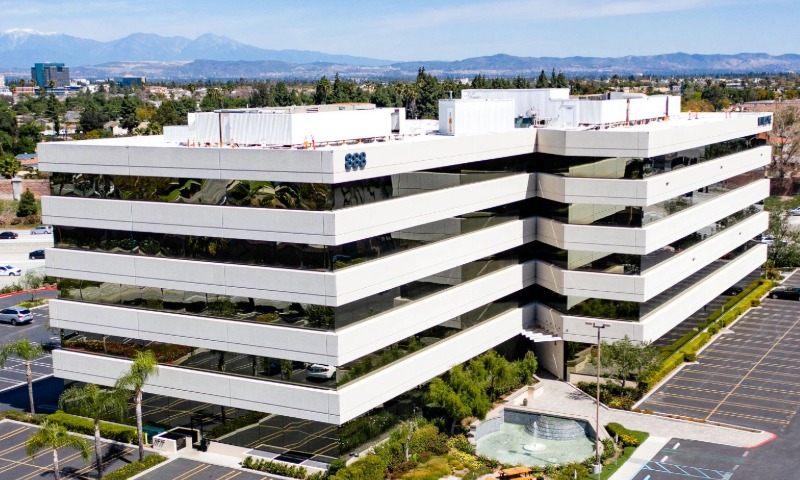
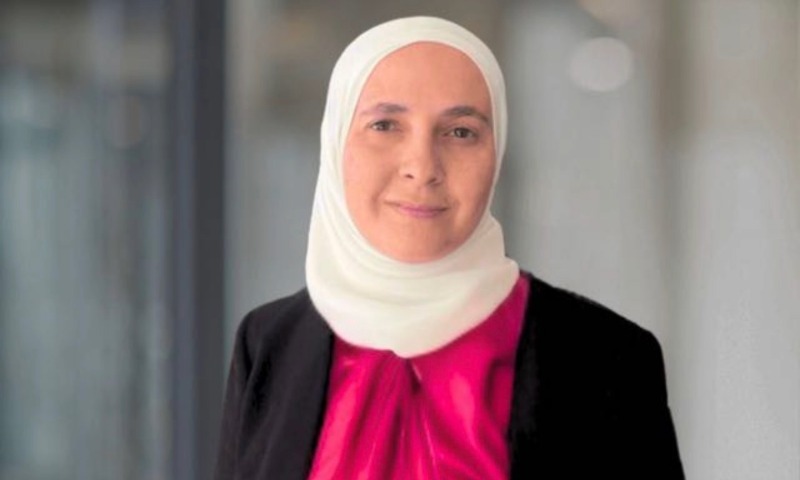
At a time when many global higher education institutions compete through rankings and prestige, Stanton University focuses its education on accessibility and affordability. Located in Southern California, the private nonprofit university places strong emphasis on the quality of higher education being practical and relevant. Dr. Louna Al Hallak, the Chief Academic Officer, believes this balance is one of the university’s defining strengths. Stanton continues to invest in programs such as Business Administration and Information Systems Management that prepare students for long-term career success while keeping the tuition affordable.
Education Built for the Workforce
The university’s curriculum combines academic foundations with practical learning experiences that reflect real industry expectations. Students are encouraged to understand theory while also applying what they learn in ways that connect directly to professional environments. Faculty members prepare them by facilitating discussion, collaboration, and critical thinking. And in turn, students are taught to respond thoughtfully, share perspectives, and ask questions. This approach helps them to be self-sufficient with their acquired skills before entering the workforce.
“Our goal is to prepare our students academically, professionally, and personally,” says Dr. Al Hallak. “We want them to leave Stanton ready to contribute with confidence and integrity.” That focus on engagement and real-world preparation continues to shape the student experience across the university’s academic programs.
Industry expectations also play an important role in refining classroom learning. Coursework is aligned with professional standards and real-world applications so students can develop skills that employers actively seek. This connection between academics and industry helps students transition smoothly into their careers after graduation.
Preparing Students for a Changing Global Workforce
Stanton’s Business Administration and Information Systems Management programs address the fast-changing needs of today’s global industries. The university regularly updates its academic offerings to ensure students graduate with the skills that remain relevant in our technology-driven world.
Information Systems Management is designed to prepare students for modern workplace challenges. The curriculum covers areas including cybersecurity, systems integration, data governance, and ethical decision-making. Students are also encouraged to understand the growing influence of artificial intelligence and emerging technologies across industries.
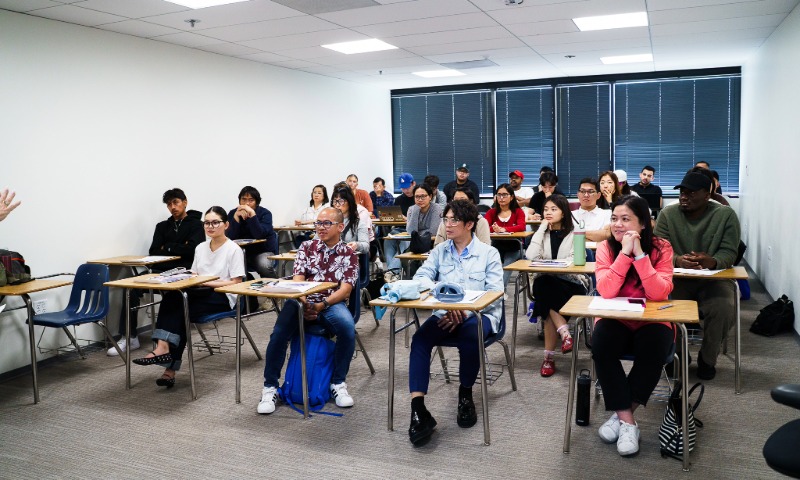
Dr. Al Hallak explains that staying current is an important responsibility for any modern university. “Innovation and industry alignment are embedded within our academic framework,” she says. “We continuously review and refine our programs to ensure they remain relevant and forward-looking.”
The university also makes space for discussions around current global issues and evolving workplace challenges. Students are encouraged to think critically, evaluate practical solutions, and understand the broader impact of their decisions. These conversations help students develop adaptability, awareness, and stronger decision-making skills.
Building a Global Learning Community
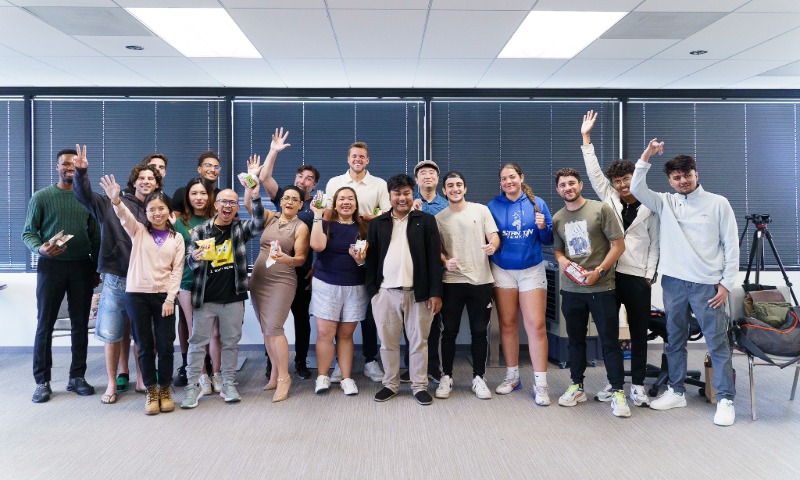
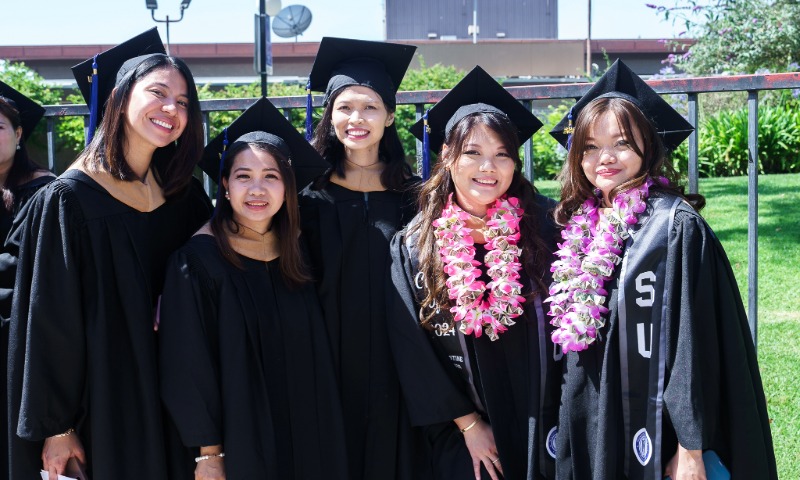
International students are an important part of Stanton University. With students representing more than 40 countries, the campus celebrates a myriad of cultures, experiences, and perspectives. This diversity enriches both the academic environment and the student experience.
Dr. Al Hallak shares the university works intentionally to help students feel welcomed and supported as they adjust to a new academic and cultural environment. From classroom interactions to student services, the focus remains on helping students build confidence and a sense of belonging.
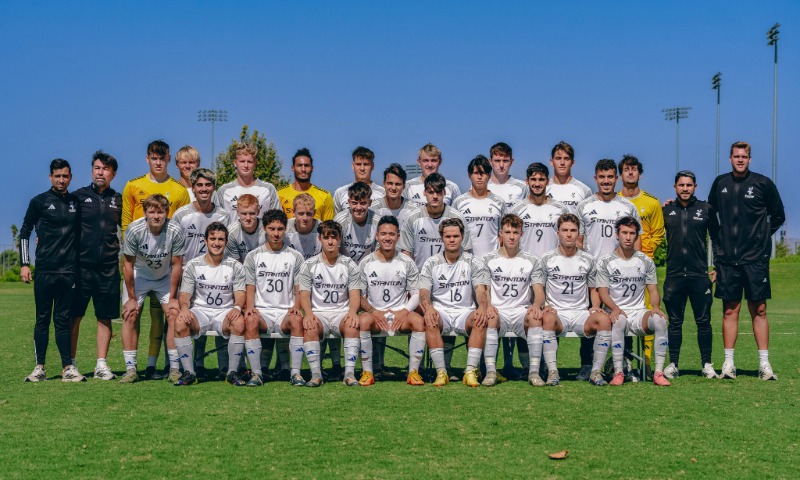
“Supporting international students is central to who we are as an institution,” she says. “We want students to feel seen, supported, and prepared to succeed wherever life takes them.” That support extends beyond academics. Students have opportunities to engage with different perspectives, collaborate across cultures, and develop the communication skills needed in today’s interconnected world. These experiences help them grow personally while preparing for careers in diverse professional environments.
Stanton’s broader educational philosophy also reflects this global outlook. The university aims to equip students with practical skills, cultural awareness, and the confidence to contribute in meaningful ways after graduation. Many alumni go on to work in international markets or return to their home countries, where they contribute to innovation, business growth, and community development.
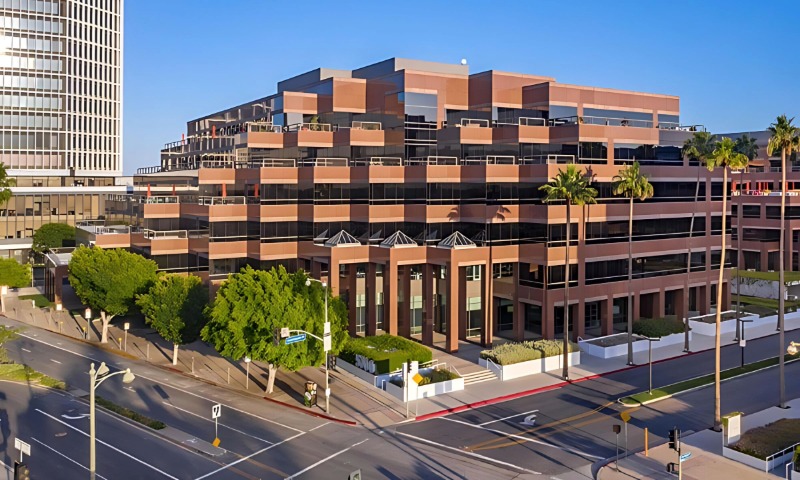
Dr. Al Hallak shares that the university’s commitment to serving a diverse international student population. She places strong emphasis on inclusivity, adaptability, and ethical leadership while creating opportunities for students from different backgrounds to succeed.
“Our responsibility is to continue evolving while staying true to our mission. We want to provide students with an education that is practical, accessible, and meaningful,” Dr. Al Hallak says. Through its student-focused approach, commitment to accessibility, and emphasis on future-ready education, Stanton continues to build a model that upholds the changing needs of modern higher education while staying grounded in purpose and opportunity.
As the university looks toward the future, Stanton continues to focus on expanding programs that align with emerging workforce needs while remaining relevant for students from diverse backgrounds.
For More Info: https://stanton.edu/