



Redefining Higher Education Through Access, Inclusion, and Community
Methodist University, located in Fayetteville, North Carolina, has a nearly seven-decade history built on the powerful belief that education must develop the whole person. This principle guides everything the university does, from teaching to community service.
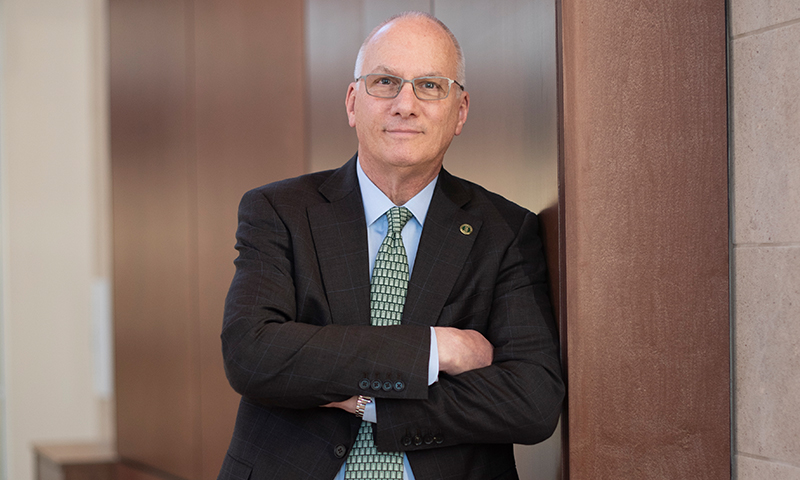
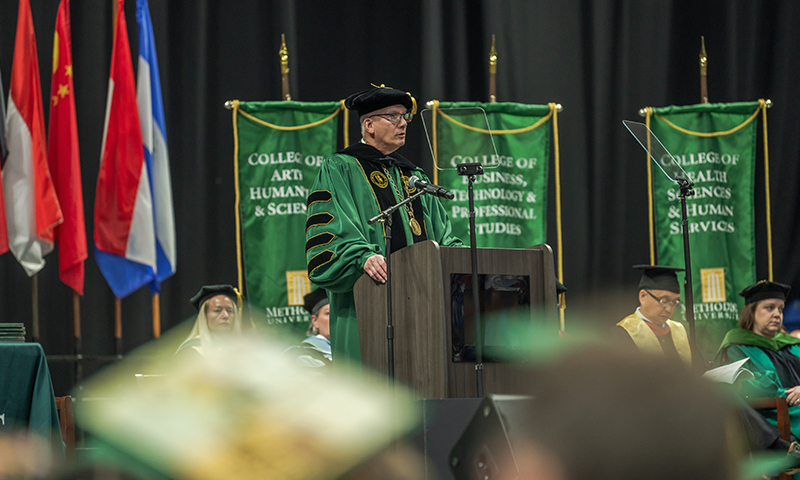
Rooted in the liberal arts, Methodist University provides a foundation that blends critical thinking, professional preparation, and personal growth. With more than 80 areas of study, students find the space and support to explore their ambitions and build meaningful futures. “We are deeply committed to preparing students for success in their professional lives and their personal lives. Our goal is to educate ethical leaders who serve with purpose and integrity,” says Stanley T. Wearden, Ph.D., President of Methodist University.
That mission is visible across the university’s campus and programs. Methodist University offers a vibrant learning community, small class sizes, and a culture that values integrity, engagement, and care for others. Faculty and staff are dedicated to helping students find direction and purpose, whether in the classroom, through leadership roles, or in community service.
Methodist University is evolving with higher education by growing its programs, forming new partnerships, and offering flexible online options. This modern approach is always guided by the university’s traditional values. “We focus on our people: our students, faculty, and community. This has always defined Methodist University and will remain our guide in the future,” Wearden states.
A Mission with Direction
Methodist University provides undergraduate and graduate education rooted in the liberal arts, aiming to build students’ moral integrity, ethical reasoning, and intellectual curiosity. From that foundation, the university builds strong professional and graduate programs that prepare students for meaningful work and purposeful lives. “Our mission gives us direction and keeps us grounded in the liberal arts while allowing us to grow in ways that serve today’s students and tomorrow’s needs,” says Wearden. That mission extends beyond academics. Methodist University remains an active community partner, offering cultural, educational, and service programs that connect campus life with the broader region.
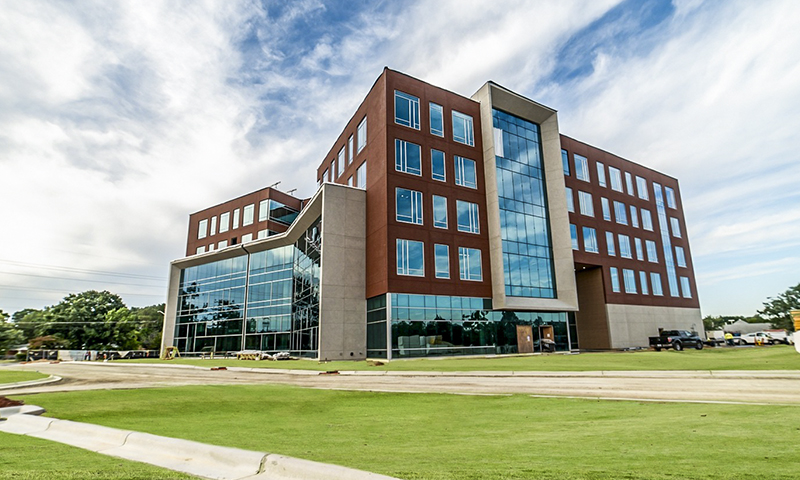
The university’s current strategic plan focuses on key goals: improving student retention and graduation rates, expanding online and community college partnerships, deepening military and civic engagement, and growing its scholarship endowment to increase accessibility. A major milestone ahead is the opening of the Methodist University Cape Fear Valley Health School of Medicine in 2026, which received preliminary accreditation from the LCME in October. The school – the first MD school in North Carolina in several decades that isn’t already tied to an existing medical school – will train physicians to serve in underserved areas, strengthening healthcare in the region.
Looking ahead, Methodist University aims to balance on-campus and online learning, ensuring both uphold the same standards of excellence and personal attention. Partnerships with businesses, healthcare providers, and community organizations are helping bridge academics with workforce needs, giving students more real-world opportunities. “We want every capable student to access a Methodist University education. That means keeping it affordable, flexible, and relevant,” adds Wearden.

Learning that Leads to Purpose
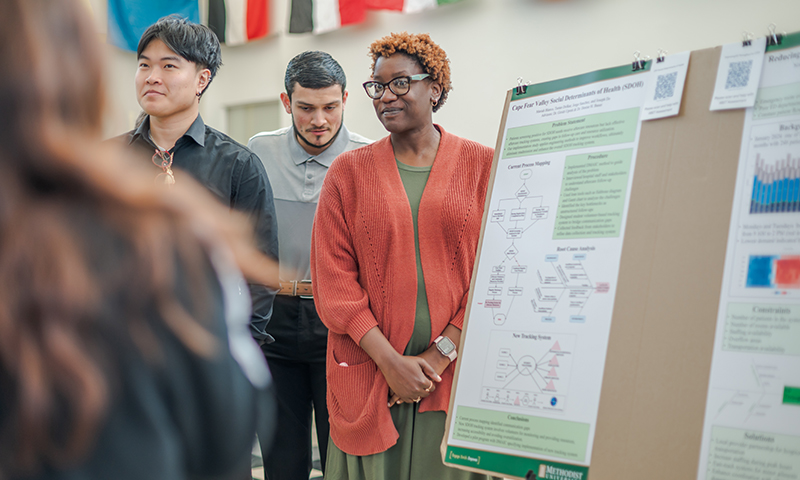
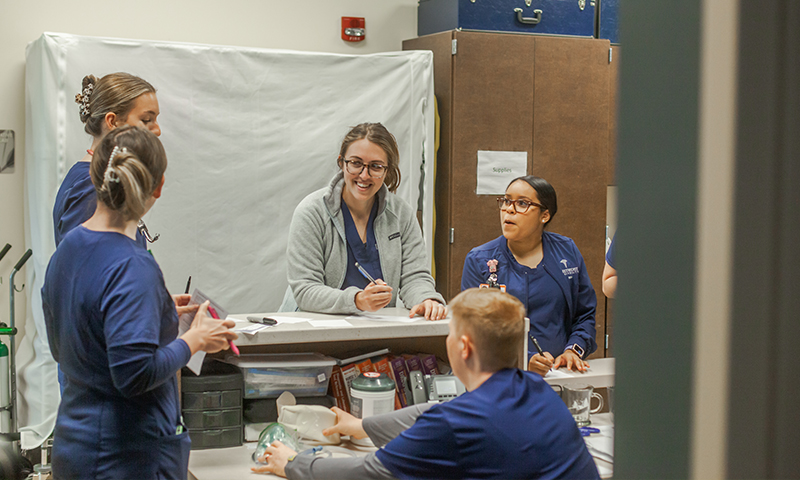
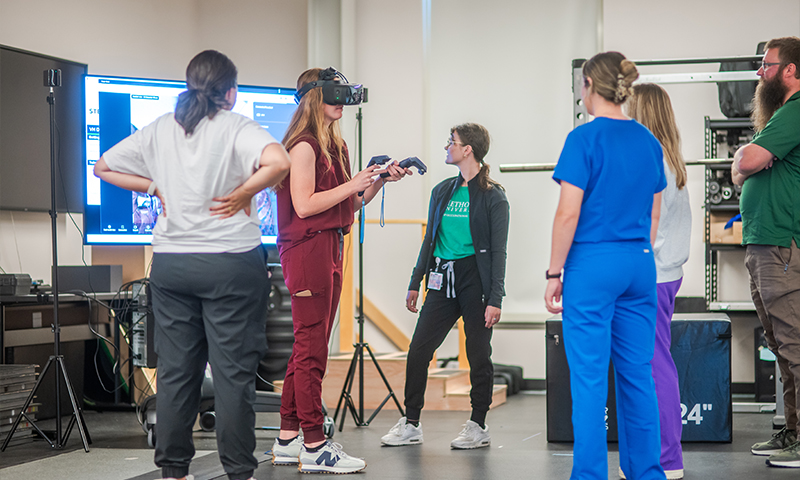
Several programs at Methodist University have become key draws for students nationwide. The College of Health Sciences & Human Services offers a wide range of disciplines, including Nursing, Physical Therapy, Occupational Therapy, Social Work, Health Administration, and Physician Assistant Studies.
The Physician Assistant Studies program, in particular, has earned national recognition for its rigorous curriculum and strong outcomes. Many students have received competitive National Health Service Corps scholarships, underscoring the program’s quality and community focus.
The Reeves School of Business continues to attract students pursuing degrees in Accounting, Marketing, Finance, and Business Administration. Accredited by the ACBSP, the school emphasizes practical learning and responsible leadership.
A unique highlight is the Professional Golf Management (PGM) program, one of only 17 in the country accredited by the PGA of America. Since 1989, its graduates have achieved a 100 percent job placement rate, entering roles in golf operations, management, and instruction.
Career preparation begins early at Methodist University. Every student works with an academic advisor to align studies with career goals, while the Center for Career Services offers hands-on support through internships, workshops, and networking opportunities.
The New York Times recently ranked Methodist University in the top 16 percent of U.S. institutions for social mobility, highlighting its success in helping students achieve lasting success. “Our mission has always been about opportunity. When students come here, they find mentors, support, and a community that believes in them,” says Wearden.
A Community That Learns Together
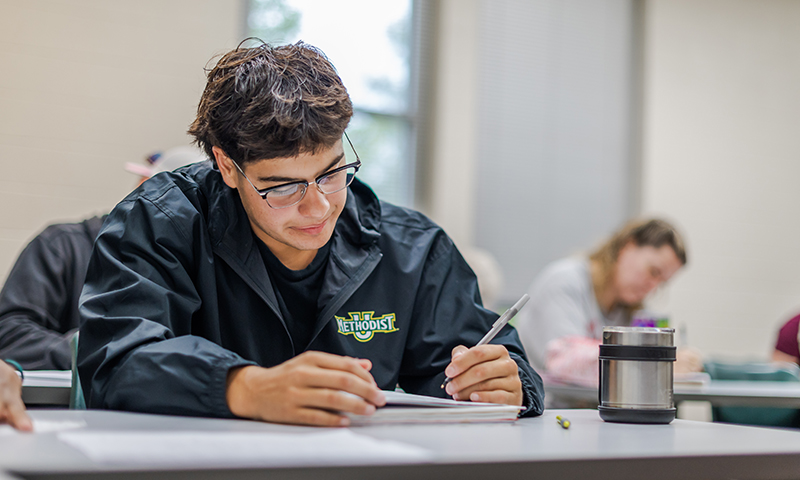
At Methodist University, learning happens through connection. With a 12:1 student-faculty ratio, relationships run deep. Students aren’t anonymous faces in large lecture halls; they are known, guided, and mentored.
Faculty take the time to understand each student’s strengths and challenges. They ask questions, encourage curiosity, and adjust their teaching to fit individual learning styles. “Our small class sizes allow professors to truly engage with students. It creates an environment where learning becomes personal and meaningful,” says Wearden.
This close-knit academic setting builds trust and accountability. Professors often become advisors and advocates, supporting students not only in coursework but also in their career goals and personal development. When a student needs extra help or wants to explore a new idea, support is never far away.
Beyond academics, Methodist University’s vibrant campus life shapes students into leaders and collaborators. With more than 70 student organizations and 20 NCAA Division III athletic programs, there are opportunities to get involved in every corner of campus life. Students join professional societies, plan campus events, and take on leadership roles in student government, clubs, and service projects.

Leadership and community engagement are built into the student experience. Methodist University’s programs encourage students to serve the local community through volunteer work, mentorship, and service-learning initiatives. These experiences help students develop responsibility and compassion.
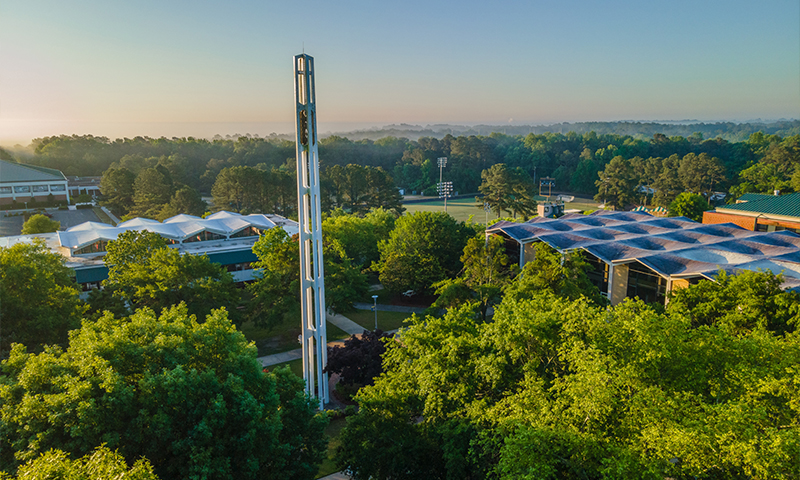
The 600-acre campus itself encourages balance and connection. It features more than 50 buildings, blending academic spaces with recreational and social areas. Students enjoy unique amenities such as an 18-hole golf course, athletic fields, arenas, and walking trails. Spaces like the outdoor amphitheater and Berns Student Center serve as gathering spots for study, events, or relaxation.
Everyday campus life also carries a strong sense of community. Students share meals at the Green & Gold Dining Hall, grab coffee at Starbucks, or meet friends at the on-campus Chick-fil-A. The Matthews Ministry Center provides a welcoming space for reflection and worship, reminding everyone of the university’s commitment to faith, compassion, and service.
The Spirit of Competition and Character
Athletics hold a special place in Methodist University’s identity. A large portion of the student body participates in sports, and their energy resonates throughout campus. Whether cheering from the sidelines or competing on the field, Monarch pride brings the community together.
Methodist University competes in 20 NCAA Division III sports, and its record of success is remarkable. The university’s golf teams have earned 41 national championships; the most by any NCAA program in the nation. Other athletic teams continue to perform at high levels, regularly winning conference titles and earning postseason recognition.
“Our athletic success shows the same commitment to excellence as the rest of the university. We take pride in developing student-athletes who succeed on the field and in their studies,” says Wearden. Athletics at Methodist University are about more than winning; they reinforce important lessons like discipline, teamwork, and perseverance, which support the university’s broader educational mission. Coaches and faculty work closely to ensure that student-athletes maintain strong academic performance, with many earning conference and national academic honors.
Student-athletes are also active contributors to the community. They volunteer, mentor younger students, and participate in service projects throughout the region. These experiences strengthen the connection between athletics, academics, and civic responsibility. “Our students represent the best of what Methodist University stands for. They work hard, support each other, and lead with integrity. That’s what true success looks like,” adds Wearden.

Expanding Access, Building Belonging
Methodist University focuses on making education affordable and accessible. Each year, the university awards more than $24 million in scholarships and grants to help students reach their educational goals. Nearly 97 percent of Methodist University students receive some form of financial assistance, ensuring that cost never stands in the way of opportunity. Once financial aid is factored in, the total cost of attending Methodist University is similar to that of many public universities, which often surprises families. Students benefit from the personal attention and close community of a private university, without the burden of excessive tuition.
Methodist University’s financial support includes a wide range of scholarships and grants, from merit-based awards to need-based aid. The university also partners with outside organizations to help students secure additional funding. Dedicated financial aid counselors work closely with families to create tailored plans that make a Methodist University education realistic and sustainable. “Our goal is to make quality education accessible to every student who wants to learn. By investing in scholarships, we’re investing in people and in the future, they’ll shape,” says Wearden.

Affordability is only one part of Methodist University’s commitment to inclusivity. The university’s strong diversity and belonging efforts have earned statewide recognition. Over the past five years, Methodist University has been named the most diverse university in North Carolina multiple times, reflecting both its demographics and its culture of respect and equity.
The Engagement, Community & Belonging (ECB) Office plays a key role in this work. It coordinates programs that promote inclusion, equity, and collaboration across campus, connecting students, faculty, and staff through shared experiences. The office also partners with community organizations to strengthen relationships beyond the university.
ECB’s Faculty Fellowship program supports professors in creating inclusive teaching practices and service projects that reflect the needs of a diverse student body. Students benefit from initiatives like “Here to Hear,” peer outreach programs, and bias-reporting mechanisms that ensure every voice is acknowledged and respected. “Diversity is part of who we are. We strive to make every student feel they belong here and that their background, story, and identity matter,” Wearden adds.
Learning Without Boundaries
Methodist University has responded to the evolving needs of students with flexibility and foresight. Through MU Online, its growing online platform, the university reaches learners everywhere, including working adults, military personnel, and families balancing school with other responsibilities.
MU Online offers a wide selection of undergraduate and graduate programs that maintain the same academic quality, faculty support, and personal attention found on campus. “We’ve built online programs that feel connected. Students know their professors, engage with their peers, and receive the same level of care and mentorship as they would face-to-face,” says Wearden.

The university’s location in Fayetteville strengthens this approach. As the home of Fort Bragg, the world’s largest military installation, the region is deeply connected to service members and veterans. Methodist University has developed flexible programs, transfer pathways, and dedicated support for military students and their families. Its commitment to serving the military community has made MU a trusted partner for those pursuing education during and after service. “Our relationship with the military community is long-standing and meaningful. We understand their needs and have built systems that make education achievable within their demanding lives,” Wearden shares.
Methodist University’s global presence continues to grow as well. The university partners with institutions and organizations worldwide, welcoming students from more than 50 countries. This diversity brings a global perspective to classrooms, where students learn from each other’s cultures and experiences every day.
A University Rooted in Community
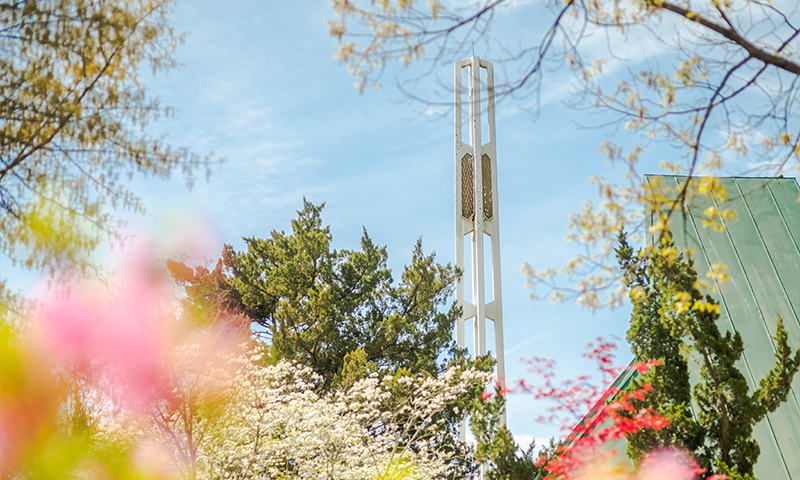
Methodist University’s history is closely tied to the city of Fayetteville. Nearly 70 years ago, local leaders and residents came together with a shared goal: to create a university that would serve the people of the region. Their vision became a reality in 1956, when Methodist University opened its doors as “the community’s university.” That identity continues to guide its work today.
The spirit of partnership that shaped the university’s founding remains strong. Methodist University students, faculty, and staff are deeply involved in the life of Fayetteville. They volunteer with local schools, mentor young people, and collaborate with civic and nonprofit organizations on a regular basis. Through service-learning courses, students apply classroom knowledge to real-world needs, contributing thousands of hours each year to projects that improve lives and strengthen neighborhoods.
“We are closely connected to Fayetteville. The community supported the founding of this university, and we are committed to lasting service in return,” says Wearden. The university’s impact extends well beyond service. Methodist University contributes to the region’s economic and cultural vitality, drawing students, families, and professionals who support local businesses and enrich community life. Through partnerships with local industries, the university helps prepare a skilled workforce that meets the area’s evolving needs.
Campus events in the arts, athletics, and public service regularly bring Fayetteville residents together, turning the university into a shared space for learning, celebration, and collaboration. From its founding to the present day, Methodist University has remained faithful to its original purpose: to serve its community with integrity, leadership, and compassion. It continues to be, in every sense, a university built by the community, for the community.
To learn more about Methodist University, visit methodist.edu