



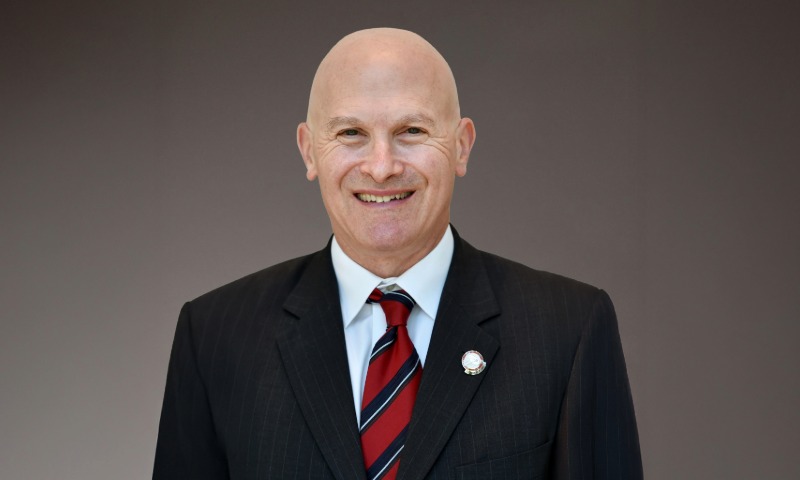
A distinguished physician, researcher, and educator, Dr. Christopher Kramer currently serves as President of the American College of Cardiology (ACC) and Chief of the Cardiovascular Division at the University of Virginia. A graduate of Harvard University and the University of California, San Francisco, he completed his residency and fellowship at the University of Pennsylvania. Over the years, Dr. Kramer has become a leading authority in cardiovascular magnetic resonance (CMR), publishing more than 320 peer-reviewed papers and authoring several books and chapters. His groundbreaking work includes co-leading a 44-site, six-country NHLBI-funded international registry on hypertrophic cardiomyopathy (HCM) and directing a NIBIB-funded cardiovascular imaging fellowship for two decades. His contributions have earned him the Gold Medal from the Society for Cardiovascular Magnetic Resonance and the Distinguished Mentor Award from the ACC.
In this exclusive interview, Dr. Kramer reflects on the pivotal moments that shaped his career, the evolving landscape of medical education, and the challenges facing the cardiology workforce. He also shares his thoughts on how AI and emerging technologies are transforming cardiovascular care and training, the principles that guide his leadership, and how he maintains balance outside the hospital. His insights offer readers a thoughtful perspective on what it takes to lead, innovate, and inspire in modern medicine. Below are the excerpts of the interview.
Looking back, which moment or influence truly affirmed your decision to specialize in cardiology and, more specifically, cardiovascular imaging?
Becoming President of the Society for Cardiovascular Magnetic Resonance and later receiving the Gold Medal from the SCMR were defining moments for me. They validated my choice to focus on cardiovascular imaging and confirmed that my work was making a real contribution to the field.
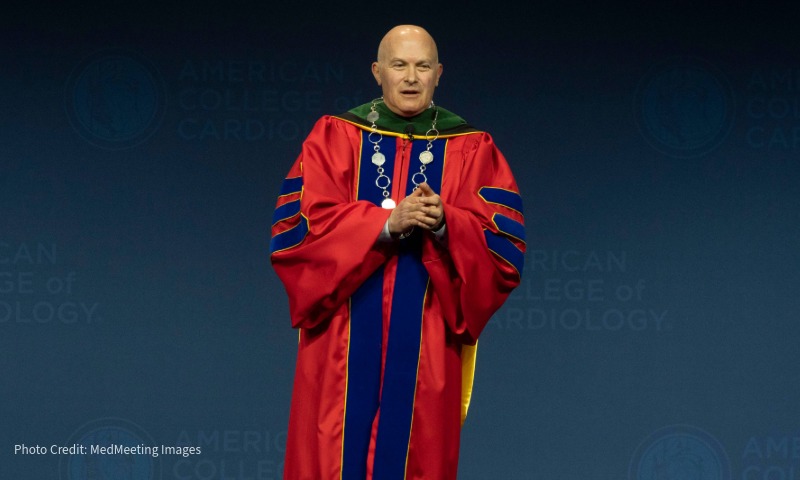
Can you walk us through one or two turning points, be it in research, leadership, or institutional transitions, that shaped your career trajectory?
Leading the Hypertrophic Cardiomyopathy Registry, funded by the NHLBI, was truly career-defining. Coordinating a 44-site, six-country study taught me a great deal about collaboration and leadership. Being named Chief of the Cardiovascular Division at UVA in 2019 was another turning point. It allowed me to focus on mentoring and building strong teams.
Given your role in training fellows and faculty, what are the biggest gaps or systemic challenges you see in medical education (or health sciences education) today?
Training has gotten too long, and we are seeing workforce challenges that are due to this, at least in part, as we are losing approximately 500 cardiologists per year. We need to find ways to shorten the training period so as to develop more cardiologists faster.
How do you foresee AI, machine learning, or imaging innovations transforming cardiovascular care and physician training over the next 5–10 years?
AI will make our work far more efficient. Tasks like image analysis, report generation, and data integration from wearables will be automated, giving physicians more time to focus on patients.
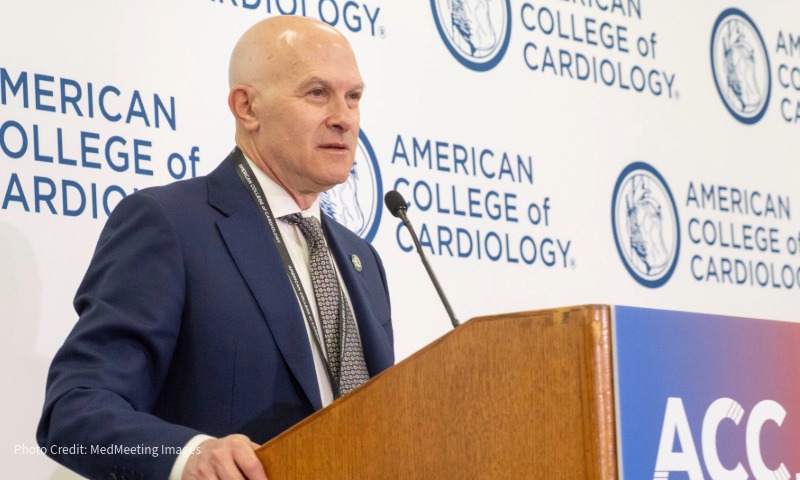
What guiding principles or habits have helped you lead large organizations like the ACC or UVA’s cardiovascular division, while balancing research, education, and administration?
Communication and accessibility are key. I stay connected with members, staff, and faculty, and I make it a point to respond quickly to emails. It helps build trust and keeps everything moving smoothly.
Outside your professional commitments, what passions, values, or routines sustain you?
I work hard on staying in shape and am fairly disciplined on making it to the gym while traveling. I enjoy hiking, biking, Peloton, and golf in my free time. My wife and I also enjoy live music.
What one or two pieces of advice would you offer to students, residents, or early-career researchers who aspire to combine clinical excellence, research, and leadership?
There are no shortcuts beyond hard work. And as one of my mentors said early on, “It’s a marathon, not a sprint.”