



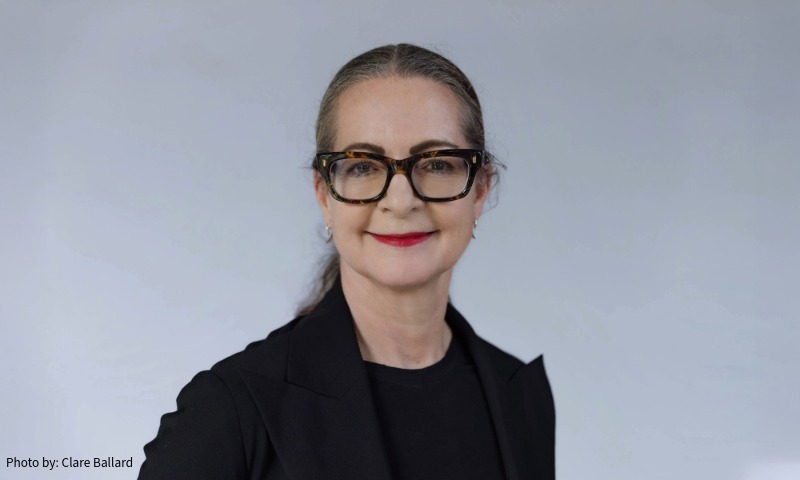
Professor Frances Corner OBE is a respected leader in UK higher education, known for her tenure as Vice-Chancellor of Goldsmiths, University of London, the first woman to hold the role. With 30 years of senior leadership experience, she previously led London College of Fashion and served as Pro Vice-Chancellor at University of the Arts London. She chairs the Maudsley Charity, one of the UK’s leading mental health foundations, and serves on the board of London Academy of Music & Dramatic Art (LAMDA).
Professor Corner also sits on the Councils of Creative UK and the All-Party Parliamentary University Group, which advises UK lawmakers on higher education policy. In 2009, she was awarded an OBE for services to fashion higher education and widening participation in arts education. In 2024, Professor Corner was awarded the Freedom of City of London for services to Higher Education.
In this conversation with the Higher Education Digest, Professor Corner explores how universities can reimagine their role in an era of financial pressures, technological disruption, and shifting perceptions of value. From fostering philanthropy and social innovation to championing the arts as a force for change, Professor Corner shares thoughtful insights on the future of education, leadership, and human creativity. Below are the excerpts of the interview.
You have navigated a path from arts and design academia into senior institutional leadership. Looking back, what key decisions or turning points guided you toward the Vice-Chancellor role at Goldsmiths?
I’ve always believed that creativity and leadership are deeply connected. My early work in art and design taught me to think critically, to take risks, and then in my teaching practice to lead with imagination. I’d say these attributes became more central to my practice as I moved into more senior roles. During those early years, I was also completing my doctorate at the University of Oxford, which focused on the role of art education, a pivotal moment, as it cemented my conviction that creative practice and pedagogy can drive wider social change.
Each step, from my teaching roles through to leading the London College of Fashion, being Pro Vice-Chancellor of the University of the Arts London and then becoming Vice-Chancellor at Goldsmiths, has been guided by that belief. I realised early on that I could make a difference not just through my own work, but by shaping environments where others could thrive. Leadership, for me, has always been about enabling creativity to flourish collectively and connecting the arts and humanities with the broader questions shaping society.
Today, universities face rising cost pressures, shifting student expectations, and debates about the value of arts and humanities. What do you see as the single biggest challenge and the greatest opportunity for a university like Goldsmiths over the next five years?
The challenge is one of imagination. As universities face economic pressures, it’s easy to default to survival mode. But creative institutions thrive when they remain bold, when they trust in the power of creative and critical education to transform society. We operate in a system that often measures value narrowly, usually by salary outcomes rather than social or cultural impact. Yet, our graduates are shaping the creative industries, public life, and communities in profound ways.
However, the financial pressures in the UK are very real, and the reality is that they touch every part of university life. But the greater challenge, I think, is one of perception. The opportunity lies in reframing the narrative: to show that the arts and humanities are not peripheral but essential to solving global challenges, from climate justice to digital ethics.
Over the next five years, the task for creative institutions is to connect that creativity with innovation, and ensure that the values of critical thinking, experimentation, and inclusion continue to drive real-world change.
In your view, how are artificial intelligence and emergent technologies reshaping creative disciplines, and how should universities adapt curriculum, pedagogy or infrastructure in response?
It’s obvious that developments in tech are opening extraordinary possibilities for creative practice, from new ways of generating ideas to entirely new forms of expression. At the same time, they are also challenging all of us to rethink what it means to be creative and skilled. In response, universities must adapt not by abandoning traditional foundations, but by integrating these tools thoughtfully into curriculum and pedagogy.
Isn’t it our responsibility as educators to help students understand how the tools work, how to harness them, and also how to retain and deepen their own skills, rather than becoming over-reliant on them? Creativity and critical thinking that come from mastering a craft, or ‘discipline’, cannot be replaced by technology. So, I’d say that for us as education leaders, it means designing learning experiences that combine technical proficiency, conceptual understanding, and reflective practice, supported by infrastructure that allows experimentation and collaboration across disciplines. Let’s make technology an amplifier of human ingenuity rather than a substitute for it!
Among your many initiatives, which one do you consider your signature achievement at Goldsmiths, and why? What leadership lessons did you learn along the way?
It’s difficult to choose one initiative, but I think helping to lay the foundations for a culture of philanthropy at Goldsmiths is something I feel particularly proud of. When I arrived, there was extraordinary creativity and social commitment across the university, but we hadn’t yet connected that energy to the kind of long-term investment and belief that philanthropy can inspire.
Working with colleagues and partners, we began to show what’s possible when generosity and purpose align. Securing the major gift that helped establish the Migrant Futures Institute was one example. It wasn’t only about funding a new research centre but about demonstrating confidence in our shared values and the impact that creativity can have on society.
That work has also drawn on my experience leading “Making for Change” at the London College of Fashion, a project I helped to oversee that used fashion and craft to provide training and rehabilitation for women in prison and in the community. It deeply shaped my view of how education, creativity, and social justice can intersect to change lives.
For me, the leadership lesson through all of this has been that culture change is about trust, empathy, and storytelling. Whether you’re embedding philanthropy or championing social innovation, people have to feel invited into the story to see that their belief, their creativity, or their generosity can help bring about something transformative.
Beyond your institutional roles, you maintain strong ties to art, advocacy, and public engagement. How do your personal values inform your vision as a leader? How do you maintain balance and renewal?
My values have always been grounded in creativity, social justice, and care for people, ideas, and the world around us. Those principles shape every aspect of how I lead. I’ve always believed that leadership should be an act of service: creating conditions in which others can flourish, take risks, and find their own voice. That commitment to enabling others comes directly from my background in art and education, where process, experimentation, and dialogue are central.
Staying connected to the arts and to public life helps keep me grounded. Whether it’s supporting creative practitioners, engaging in advocacy for sustainability, or simply finding time to be in spaces that nurture reflection, those experiences remind me why this work matters.
I’m a longtime admirer of Lady Edwina Grosvenor’s work, particularly her advocacy for criminal justice reform and her unwavering commitment to supporting women affected by the system. Initiatives under her leadership, such as the Hope Street project, not only inspire but also reaffirm and renew my belief in the transformative potential of principled philanthropy. When creativity, empathy, and collaboration converge, they can drive real and lasting social impact.
What advice would you offer to young people passionate about combining creative work with leadership or social impact? What skills or mindsets will be most valuable in the next decade?
I would say: stay curious, stay courageous, and stay connected. The world needs creative leaders who are not afraid to ask difficult questions and who understand that imagination is a powerful form of problem-solving. The most transformative ideas often emerge at the intersections between disciplines, between cultures, and between ways of thinking.
But it isn’t just about mastering a creative skill. So much of learning within a creative discipline is about developing empathy; about learning to see and observe differently, to interpret the world around you, and to explore questions of identity, belonging, and place. These are all incredibly valuable skills for anyone aspiring to lead because they foster understanding, openness, and the capacity to navigate complexity.
So more and more, as we move forward, I’d say we need leaders who are not just curious, compassionate, and courageous, but also have the ability to listen, to imagine alternatives, and to bring others with them in shaping a more creative and humane future.
What would you hope your legacy has been at Goldsmiths? And what do you see as the next frontier for higher education institutions in London or beyond?
Looking ahead, I believe the next frontier for higher education, not just in London but globally, is to fully embrace lifelong and life-wide learning. Creative education has always offered powerful pathways into study, sparking curiosity and confidence in people from all walks of life. It can ignite the desire to learn, participate, and grow regardless of background, circumstance, or stage of life.
Universities must evolve to support learning that is flexible, inclusive, and responsive. That means enabling people to engage with education whenever and however it’s most relevant to them, not as a one-time event, but as a continual act of renewal. We need to break down barriers between disciplines, sectors, and life stages, and recognise that knowledge doesn’t reside solely within the academy. It lives in communities, in creative practice, and in the shared work of shaping a better future.
If I were to reflect on any legacy, and I say this about any of the institutions I’ve been privileged to lead, I would hope it’s been about helping to build cultures that value creativity, care, and connection. Building environments that invite people in, support bold ideas, and make space for transformation.
Whether through education, leadership, or advocacy, my aim has always been to foster places where imagination and purpose can thrive together.