



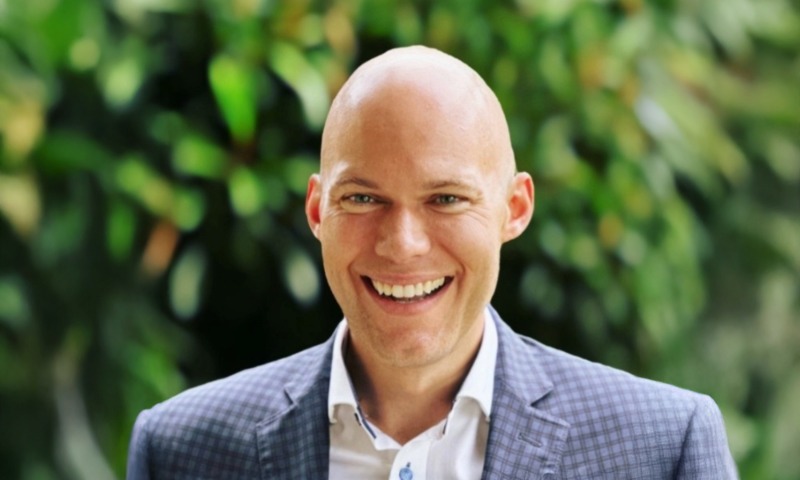
Geoffrey M. Roche is Senior Vice President, Healthcare Solutions at Risepoint, where he leads strategies that expand access to high-quality healthcare education and strengthen the future workforce. Known as the “Heart Leader,” and “Son of a Nurse,” he is recognized for combining empathy, innovation, and results-driven leadership across healthcare and higher education. Geoffrey is a national speaker, thought leader, and advocate for workforce transformation, apprenticeships, and affordable pathways into healthcare careers. Above all, he is a devoted father who believes leadership begins with serving others.
Recently, in an exclusive interview with Higher Education Digest, Geoffrey shared insights into how leading with heart became his core strategy after watching talented people leave organizations because they felt unseen, not unskilled. His mandate to higher ed is to treat health systems as strategic co-architects with continuous dialogue, shared data, and regular curriculum refresh cycles, because relevance now requires living partnerships built on mutual accountability to patient care and workforce sustainability. A devoted father, he believes leadership begins with serving others, and legacy is built decision by decision. The following excerpts are taken from the interview.
Hi Geoffrey. You call yourself the “Heart Leader” and champion empathy alongside strategic innovation. When you first stepped into leadership across Eds and Meds, what was the moment you realized leading with heart wasn’t soft — it was the strategy?
Early in my career, I watched talented people leave organizations not because they lacked skill, but because they felt unseen, unsupported, and disconnected from purpose. That was a defining lesson for me. I realized culture is not separate from performance; it drives performance. In healthcare and education, where people carry heavy responsibilities, leadership rooted in empathy builds trust, perseverance, and discretionary effort. Leading with heart is not soft. It is one of the most practical strategies available because when people feel valued, they contribute at their highest level.
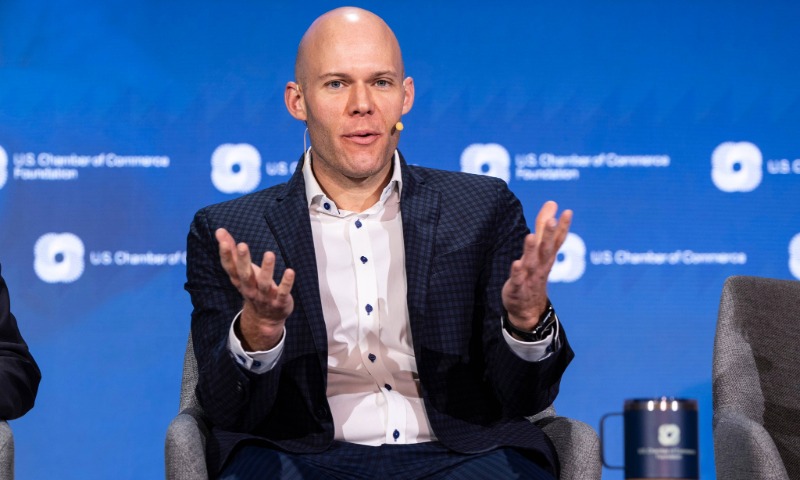
You build workforce-aligned healthcare programs that start in higher ed. How should university presidents and deans rethink health sciences curricula when AI is reshaping both classrooms and clinical practice?
University leaders must move from static curriculum models to adaptive learning ecosystems. AI is changing diagnostics, documentation, imaging, and administrative workflows, so graduates need both technical proficiency and human capability. Curricula should integrate AI literacy, data-informed decision-making, ethics, interdisciplinary teamwork, and patient communication. Just as important, institutions need deeper employer partnerships, so programs evolve in real time with market demand. The future belongs to universities that teach students how to learn continuously, not simply what to memorize once.
Employers, academic partners, and industry leaders are co-creating with you. What will separate healthcare education providers that truly align with workforce needs from those that just add more seats?
The difference will be outcomes versus optics. Adding seats may increase enrollment, but it does not automatically solve workforce shortages. Providers that truly align with workforce needs will co-design programs with employers, create seamless clinical pathways, support retention, and measure graduate readiness. They will understand local labor market realities and respond with agility. Those that focus only on volume may fill classrooms, but those focused on value will help rebuild the workforce.
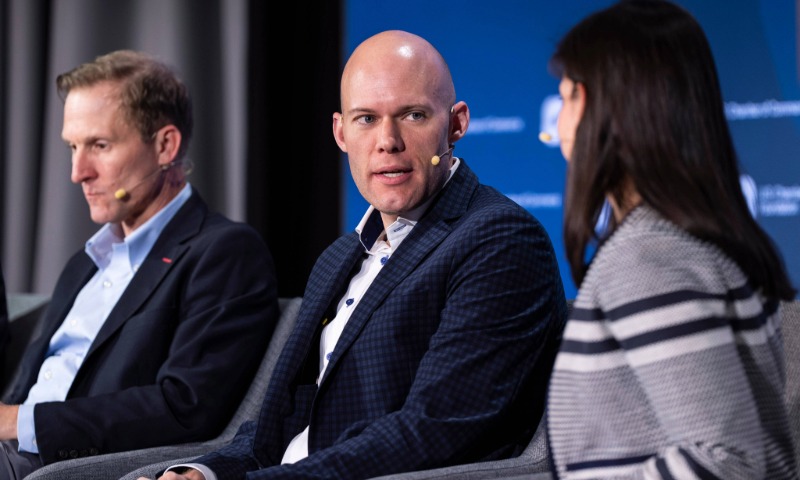
You expand access to high-quality, affordable healthcare education. What will students demand from a nursing or health sciences degree in 2029 that isn’t on most institutions’ roadmaps now?
Students will demand flexibility, speed to value, and clear return on investment. They will expect stackable credentials, hybrid learning models, employer-connected experiences, and transparent pathways to advancement. They will also seek personalized support services that fit the realities of working adults balancing careers and family life. In 2029, students will not just ask if a degree is respected. They will ask whether it accelerates opportunity, mobility, and purpose.
You champion access and affordability in healthcare education. What is one AI-era policy universities must adopt to ensure generative tools don’t widen equity gaps for first-gen or working adult learners?
Every institution should adopt an AI access and readiness policy that guarantees all learners equitable exposure, training, and support. Too often, technology advantages those who already have time, confidence, and resources. Universities must provide guided instruction on responsible AI use, embedded tutoring support, and access to approved tools regardless of income level. Equity cannot be an afterthought. If AI becomes essential to learning, then inclusive access must become essential to policy.
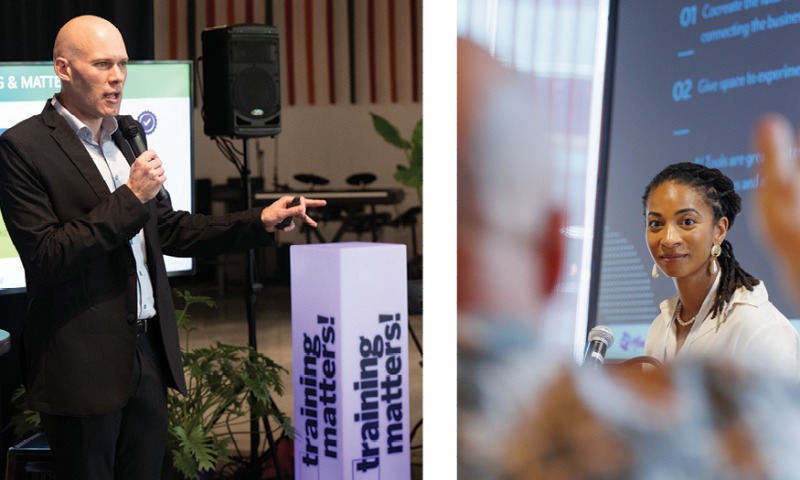
Legacy is built decision by decision. What skills will separate heart leaders from traditional administrators in the next decade?
Heart leaders will stand apart through emotional intelligence, courage, adaptability, and the ability to build authentic relationships across difference. Traditional administration often centers process, while heart leadership centers people and purpose without sacrificing accountability. The next decade will reward leaders who can navigate change while preserving trust. Those who listen deeply, communicate clearly, and inspire shared ownership will create lasting impact.
Workforce alignment is your mandate. What advice would you give higher ed leaders on partnering with health systems to keep degrees relevant when clinical protocols change annually?
Treat employers as strategic co-architects, not occasional advisors. The strongest partnerships involve continuous dialogue, shared data, and regular curriculum refresh cycles. Leaders should invite health systems into competency design, simulation strategy, clinical placement planning, and faculty development. Relevance is no longer maintained through periodic updates every few years. It requires living partnerships built on mutual accountability and a shared commitment to patient care and workforce sustainability.