

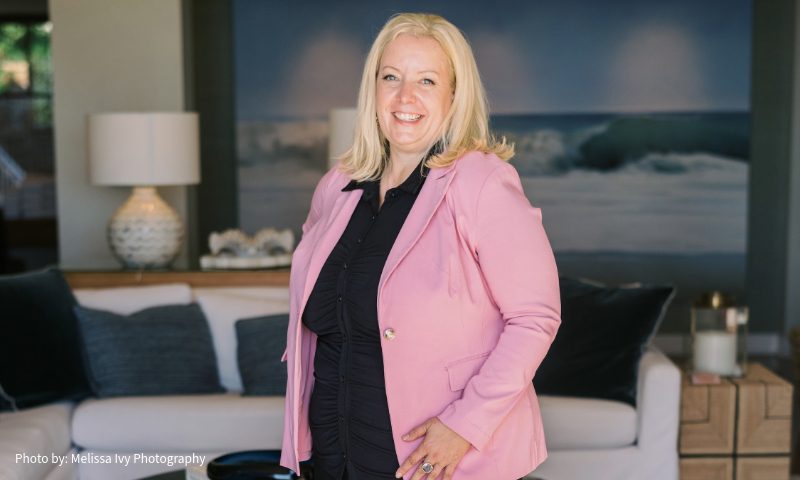
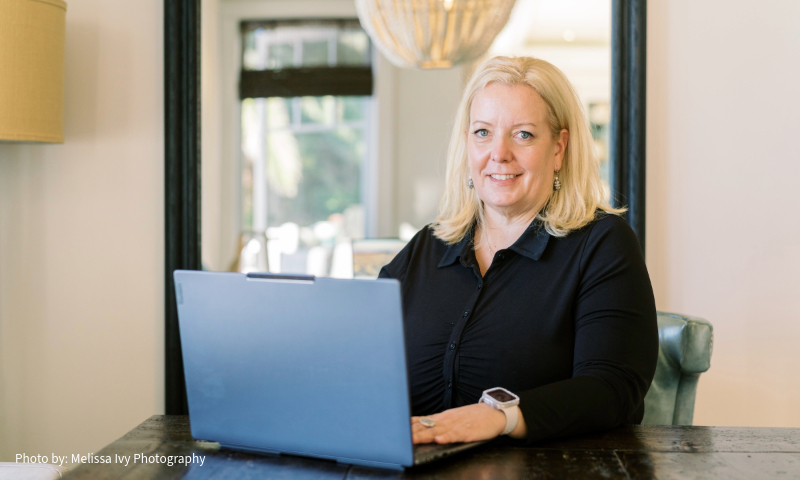
Doris Savron has served as Vice Provost of Colleges, Assessment and Curriculum since 2018 at University of Phoenix, overseeing the strategy for academic programs and curriculum design, institutional assessment, and faculty, including oversight of strategy for degree, certificate and course offerings, and student learning outcomes for the University. Doris leads her team collaboratively to innovate academic solutions and provide exceptional student experiences and learning environments that support student success. She has over 23 years of experience in higher education serving in diverse roles. She earned her MBA from Cleveland State University and is completing her doctorate in organizational leadership.
Recently, in an exclusive interview with Higher Education Digest, Doris shared her professional trajectory, insights on the importance of student learning outcomes in curriculum design and assessment, the secret mantra behind her success, future plans, words of wisdom, and much more. The following excerpts are taken from the interview.
Hi Doris. What inspires you about your work in higher education? What motivates you to continue innovating in academic solutions?
I am a first-generation college graduate in my family. My parents migrated to the US and never had the opportunity to earn a college degree but always emphasized the importance of education and what opportunities it provides. After I finished my master’s degree, I knew I wanted to pursue a teaching role in higher education. At the time, University of Phoenix was new to Ohio and needed to build its associate faculty network. I got offered the opportunity to teach as an associate faculty member and fell in love with the mission and focus of the University. Open access and the focus on a model that met the needs of adult learners inspired me to get involved in a full-time role a year later. It is a way of giving back, acknowledging my parents’ sacrifice and providing a solution for working adults who at the time did not have many options to continue their upskilling and continue to meet their life responsibilities. The world keeps changing around us – people, technology, resources, which requires us to continue to question our approach and make sure we are meeting both the needs of our learners while also meeting the needs of industry for talent. Watching the excitement of the graduate and their family members at commencement and knowing the stories of transformation our learners’ experiences bring to generations of their families, continues to inspire me to make sure we are evolving and adapting.
What do you love the most about your current role?
I love being able to work with amazing leaders who are committed to our learners and supporting them in pursuing their career goals. I have an opportunity to learn every day from the talented and smart people I get to work with regularly. I love being right in the middle of the program and curriculum strategy space where a great deal of change is happening as technology evolves and enables us to get innovative with online learning experiences and helping people learn new skills and see the value of how those skills will apply to future career opportunities. The best part of this work is being able to hear those stories directly from our students and how their lives change because of what they learned. We provide hope where sometimes people may have started to lose hope.
Can you discuss the importance of student learning outcomes in curriculum design and assessment?
Student learning outcomes are central to design and critically important to both the learner’s success and our organizational success. Several years ago, we revamped our program design process by mapping program and course outcomes to career relevant skills down through the course level. We developed summative assessments in each course to align to those skills to ensure everything laddered up to their program outcomes. We created transparency in the course materials and the tools to explain why what they were learning was important and relevant to their goals. In addition, we provided students through their learner profile to track their progress of skills demonstrated and how those align to potential career outcomes. They can leverage these tools to narrate their stories and capabilities to key stakeholders involved in their career journey. Internally we have reporting mechanisms where the deans can monitor progress in those courses and program outcomes to help them strategize updates or changes as the data populates to continuously improve our programs and credentials.
What opportunities or challenges do you see in the evolving landscape of online and on-campus education?
There are many changes happening in higher education today, more than just technology and it can feel overwhelming to know how to react to and address those changes. Any time change happens, there is an opportunity to reflect and determine how we evolve. It is important to understand what is driving those changes, how that will affect learners’ and employers’ expectations and how we need to pivot ourselves to make sure we are a solution in meeting those needs. I think artificial intelligence (AI), particularly generative AI, will continue to disrupt higher education. We need to understand and embrace the role AI can play in supporting learning and how workplace skills will shift because of employers embracing AI tools. We are already seeing increases in job postings asking for AI related skills. We must be aware of how AI will affect each discipline so that we can prepare our learners and our employees with the appropriate skills to function and produce in an AI-enabled world.
Who has been a significant influence or mentor in your career, and how have they helped shape your professional journey?
I have had quite a few people throughout my career journey who have invested in me by sharing their time and expertise to help guide me. They have been both in higher education and outside higher education. The commonality in each of them is they were leaders I respected and was inspired by how they balanced career obligations with their life values and priorities. They were generous and honest with their feedback and leaders I could trust wanted the best for me. They also were not afraid to admit what they did not know and prioritized continuously learning in their lives.
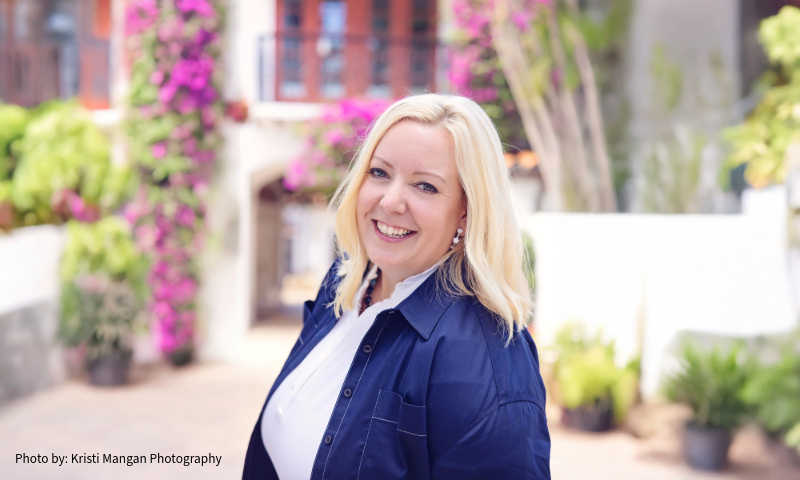
Congratulations on being recognized as one of The Top 50 Women Leaders of Arizona for 2025. Our readers would love to know the secret mantra behind your success.
Thank you! It was such an honor to be considered. I often get asked a similar question by those I mentor. The following four are what I attribute to my success and opportunities. I call them the four Cs of leadership (calling, community, courage, and curiosity). One, I am clear on what my strengths are as well as what they are not. That allows me to maximize my strengths and find others to join the team that can complement or fill the gaps for areas I would consider weakness or challenges (calling). I have also worked hard to build a community that the teams I lead can feel a part of and see how they belong and how they contribute. I also make sure I join a community where others will stretch me and invest in me to continue to grow. These communities evolve as I grow. The third area is having the courage to use my voice when it is needed. Leadership has its challenges and some of the toughest are when you must speak up to offer conflicting viewpoints. Other times it might require speaking up to challenge group think. Leadership requires courage for those tough conversations and decisions. Finally, curiosity is a requirement. I have always loved learning and that has been a benefit in my growth. I took on roles where I knew I would be stretched, I am regularly reading books and researching trends, I love to ask questions to understand how things connect and work. I also think we must be curious about people and what is important to them and what drives them. That helps me understand how I can support them as a leader.
How do you prioritize your own well-being and self-care given the demands of your work?
This has probably been one of my life lessons and I am continuing to learn how to be better at balance and boundaries. I learned a while ago, there will always be work to get done. But it doesn’t always have to be done right then or even by me. I am very clear on what my responsibilities are and the work that only I can do versus work that can be delegated out to others or even hired out. That has provided a healthy balance of personal time which I use to travel, to spend time with friends and family, and sometimes to do activities that restore me or allow me to rest. I never turn down a spa day! I also have a healthy perspective of what is important and what is critical for me to stay in balance with my values. Those things serve as guideposts and signs of when I might be letting things get out of balance. I invested in a 5th wheel camper a year ago and took advantage of cooler temperatures in northern Ohio on the lake where I spend most of my time appreciating the luxury of remote work and getting outdoors to restore in down time.
Is there a particular person you are grateful for who helped get you to where you are?
I have been blessed to have many who I am grateful for and helped me get where I am. Too many to specifically name one. Those individuals changed as I grew into the next season of my career. I am still in touch with many of them today. I appreciated their willingness to share their knowledge, their honest feedback, and many times their network. I think everyone needs to find a community where these relationships form and change over time. We are meant to learn and grow in community.
Where do you see yourself in the next 5 years?
I see myself as a published author, thought leader in how to lead in times of change, and hopefully continue to do the work I love which is helping others aspire to reach their goals.
What advice would you give to aspiring leaders in education?
Be open to change, find a community to plug into that is invested in learning and growing together, and to continue learning. We of all people should be embracing lifelong learning by being curious about what is happening around us and what role we play in those changes to ensure people learn what they need to achieve their own career goals.